




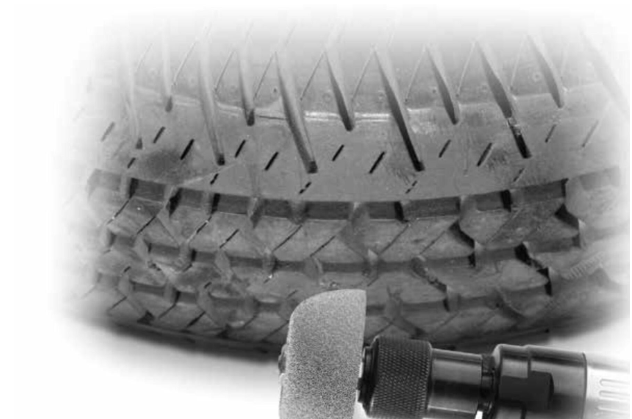
Tire Buffing Rasp: A Guide to Better Tire Surface Prep
Successful tire repairs begin long before a patch or plug is installed. One of the most important steps is preparing the damaged area, so repair materials can bond properly with the tire’s inner surface. A clean, textured surface improves adhesion and helps create a repair that performs more consistently over time.
Using a tire buffing rasp during this preparation stage helps remove damaged rubber, smooth irregular surfaces, and create the proper texture needed for reliable repairs. When paired with correct techniques and routine tool maintenance, it can help technicians achieve more uniform results across different tire types and repair situations.
Why Proper Surface Preparation Matters
The condition of the repair area directly affects how well repair materials perform. Dirt, oxidation, and damaged rubber can interfere with adhesion, increasing the risk of premature repair failure.
Proper buffing and using a tire buffing rasp helps by:
- Removing loose or damaged rubber.
- Creating a consistent surface texture.
- Improving bonding conditions.
- Reducing contamination before repairs.
- Supporting more predictable repair quality.
Even small improvements in surface preparation can make repair work more consistent across passenger, commercial, and industrial tires.
How the Tool Supports Repair Accuracy
Buffing tools are designed to remove rubber in a controlled manner without unnecessarily weakening the tire casing. Instead of aggressively grinding the surface, the goal is to produce an even texture while preserving the tire’s structural integrity.
Key benefits include:
- Better control during buffing.
- More consistent material removal.
- Improved visibility around the repair area.
- Reduced uneven surface preparation.
- Smoother transitions around the repair zone.
Using appropriate pressure and speed is just as important as choosing the correct accessory.
When to Replace a Tire Buffing Rasp
Like any workshop tool, buffing accessories wear down with repeated use. A worn rasp may remove rubber unevenly, require extra pressure, or create inconsistent surface textures that affect repair quality.
Signs that replacement may be needed include:
- Reduced cutting performance.
- Excessive vibration during use.
- Visible wear on the cutting surface.
- Difficulty achieving an even finish.
- Increased operating effort.
Regular inspection helps technicians replace worn accessories before they affect repair results.
Best Practices for Safe Operation
Correct handling techniques for tire buffing rasp improve both repair quality and workplace safety. Buffing tools operate at high speeds, making proper control essential.
Follow these practical habits:
- Clean the repair area before buffing.
- Wear appropriate eye and respiratory protection.
- Maintain steady tool movement.
- Avoid excessive pressure.
- Remove rubber dust before applying repair materials.
These steps help create a cleaner work area while supporting more consistent repair preparation.
Maintaining Buffing Equipment
Routine maintenance keeps pneumatic tools and accessories performing efficiently. Dust buildup, inadequate lubrication, and worn components can reduce performance over time.
A simple maintenance routine includes:
- Cleaning tools after use.
- Inspecting rotating parts regularly.
- Lubricating pneumatic equipment.
- Storing accessories in dry conditions.
- Replacing damaged components promptly.
Well-maintained equipment often provides more predictable performance and reduces unnecessary downtime in busy workshops.
Choosing the Right Accessory for the Job
Different repair situations require different preparation tools. Tire size, repair location, and the amount of rubber that must be removed all influence accessory selection.
Technicians often benefit from having multiple options available, allowing them to choose equipment that matches the repair rather than relying on a single tool for every application. Using the correct accessory improves control and helps produce more consistent surface preparation across various repair types.
Conclusion
A dependable tire repair starts with careful preparation, and buffing remains one of the most important steps in that process. Clean surfaces, controlled material removal, and consistent techniques all contribute to stronger repair performance over time.
Understanding how different preparation tools work together, including tire skiving wheels, can help technicians achieve better results while protecting the tire structure. Selecting the right tire buffing rasp, replacing it when worn, and following proper maintenance practices can improve repair consistency, reduce unnecessary rework, and support safer, more reliable tire service across a wide range of applications.
Author

