





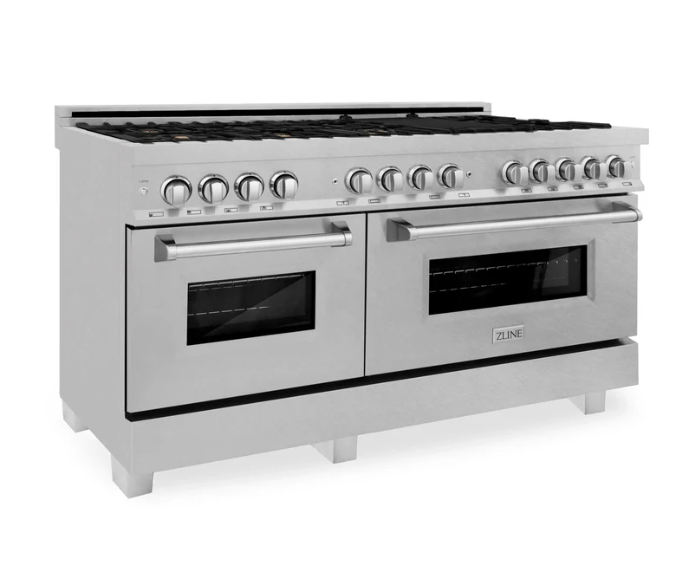
High End Cooking Appliances: What Features Matter Most?
A well-equipped kitchen depends on more than appearance. Cooking power, temperature accuracy, oven capacity, ventilation, durability, controls, and ease of maintenance all influence how efficiently a kitchen functions. For homeowners who cook frequently or are planning a major renovation, high end cooking appliances can provide features designed around greater control, larger capacities, flexible cooking modes, and more substantial construction.
However, premium pricing does not automatically mean that every feature will be useful. The best appliance depends on the way the household cooks, available space, energy connections, ventilation requirements, and long-term maintenance expectations. Knowing what to compare can help buyers focus on meaningful performance rather than decorative upgrades.
Start With the Way You Actually Cook
Before comparing high end cooking appliances, consider which cooking methods are used most often.
A household that regularly prepares several dishes at once may value a wider range with multiple burners and a larger oven. Someone who bakes frequently might prioritise accurate temperature control, convection capability, and even heat distribution.
Other kitchens may benefit more from induction cooking, griddles, grill sections, warming drawers, or additional wall ovens.
The point is to match the appliance to everyday routines. Buying more burners, oven modes, or specialist functions than necessary can increase both purchase cost and complexity without improving normal cooking.
Compare Gas, Electric and Induction Carefully
Fuel type is one of the biggest decisions when selecting luxury cooking appliances.
Gas provides visible flame control and works with a wide variety of cookware. Electric radiant surfaces provide smooth cooking zones and straightforward cleaning, while induction uses electromagnetic energy to heat compatible cookware directly.
Induction is known for fast response and precise temperature adjustment, but it requires magnetic cookware. Gas may appeal to cooks who prefer direct flame, although suitable ventilation is especially important.
Before choosing, buyers should confirm whether the kitchen has the necessary gas supply or electrical capacity for the selected appliance.
Look Beyond Maximum Burner Output
Power figures can be useful, but maximum output alone does not describe cooking performance.
A good cooktop should provide both strong heat for boiling or searing and stable low heat for delicate tasks such as melting chocolate or simmering sauces.
When assessing high end cooking appliances, examine the full burner or cooking-zone range rather than focusing only on the highest BTU or wattage number.
Flexible burner sizes can also make a difference because small pans and large stockpots require different heat distribution. A powerful burner is less useful if it cannot maintain a controlled low setting when required.
Oven Temperature Accuracy Matters
Oven consistency can significantly affect baking and roasting.
An oven that regularly runs hotter or cooler than its selected temperature can create uneven results. Better control systems, effective insulation, and well-designed airflow can improve temperature stability.
Many premium kitchen appliances include convection fans designed to circulate hot air around the oven cavity. This can improve browning and support more even cooking across multiple racks.
However, users should understand how each cooking mode works. Convection can require changes to temperature or cooking time compared with traditional recipes.
Consider Oven Capacity and Rack Flexibility
Exterior appliance size does not always indicate usable oven space.
Large cavities are helpful when cooking oversized roasting trays, multiple baking sheets, or several dishes for entertaining. Rack design can also influence how efficiently that space is used.
Telescopic racks can make heavy cookware easier to move, while multiple rack positions provide more flexibility.
When comparing high end cooking appliances, check the actual interior dimensions if you regularly use large trays, roasting pans, or speciality cookware.
A wider appliance is only valuable when the interior layout makes effective use of the additional space.
Ventilation Should Be Planned Early
Powerful cooking equipment requires appropriate ventilation.
Range hoods help capture smoke, grease, heat, steam, and cooking odours. The necessary ventilation capacity depends on cooking output, hood dimensions, duct length, installation height, and local building requirements.
Anyone investing in high-end kitchen equipment should plan ventilation at the same time as the cooking appliance rather than treating it as a later design decision.
A powerful hood can still perform poorly if ductwork is too restrictive or the installation height is incorrect.
Ventilation noise should also be considered because a hood that is unpleasantly loud may not be used consistently.
Controls Should Be Easy to Use
Advanced technology can improve cooking, but controls need to remain intuitive.
Touchscreens may provide access to specialised oven programs, timers, temperature probes, and connected functions. Traditional knobs can offer faster tactile adjustment during active cooking.
Neither format is automatically better.
The strongest high end cooking appliances use controls that are easy to understand without requiring several menu steps for basic functions.
Frequently used settings such as temperature, burner output, timers, and oven modes should remain easy to reach even when advanced functions are available.
Think About Cleaning and Maintenance
Cooking appliances are exposed to grease, spills, high temperatures, and food residue every day.
Removable burner components, smooth cooking surfaces, accessible oven interiors, and self-cleaning functions can reduce maintenance time.
Some luxury home appliances also use finishes designed to reduce visible fingerprints or simplify wiping.
Buyers should investigate how easily common components can be removed and cleaned. A complicated burner assembly or difficult-to-access oven surface can become frustrating over years of regular use.
Service access, parts availability, and warranty coverage should also be considered before purchasing.
Check Kitchen Dimensions Before Ordering
Premium cooking appliances may be wider, deeper, or heavier than standard residential equipment.
Common widths can vary significantly, especially when moving from a standard range to a larger professional-style configuration. Cabinetry, countertops, flooring, and ventilation may all need adjustment.
A high end cooking appliances purchase should therefore begin with accurate measurements of the appliance opening, surrounding cabinets, doorways, and delivery route.
Buyers should also account for manufacturer-required clearances around combustible materials and surrounding surfaces.
Installation documentation should always take priority over estimated measurements.
Decide Which Smart Features Are Actually Useful
Connected cooking appliances may offer remote monitoring, temperature notifications, timers, recipe guidance, or diagnostic alerts.
These functions can be helpful, especially for long cooking processes, but they should not outweigh fundamentals such as temperature accuracy, reliability, burner control, and oven performance.
Smart technology also introduces software and connectivity considerations that may change over the lifespan of the appliance.
For many households, connectivity is best treated as a convenience rather than the primary reason for selecting expensive cooking equipment.
Consider the Total Installation Cost
The advertised appliance price is only part of the budget.
Additional expenses can include:
- Electrical upgrades
- Gas-line modifications
- Ventilation ductwork
- Cabinet alterations
- Countertop modifications
- Professional installation
- Delivery
- Removal of old appliances
This is particularly important with high end cooking appliances, which may have more demanding electrical, gas, weight, or ventilation requirements than the equipment they replace.
Calculating the complete installed cost helps avoid unexpected expenses during renovation.
Conclusion
Choosing cooking equipment successfully requires balancing performance, size, fuel type, controls, ventilation, cleaning requirements, and installation needs. The most useful high end cooking appliances are those that improve tasks a household performs regularly rather than simply offering the longest feature list. For serious home cooks considering professional cooking appliances, factors such as heat control, oven accuracy, durable construction, ventilation requirements, and long-term service access should carry more weight than styling alone. A premium kitchen works best when every appliance supports the way the space is actually used. Careful measurements, realistic feature priorities, and early planning for utilities and ventilation can help buyers create a cooking setup that remains efficient, practical, and enjoyable for years.
Author

