




Kirkland Margarita: What Is It, Ingredients, Taste & Serving Tips
Margaritas are among the most recognizable cocktails, traditionally combining tequila, citrus, and an orange-flavoured liqueur or sweetener. Ready-to-serve margarita products take the basic cocktail concept and package it in a convenient format, making it easier to serve without measuring several individual ingredients. Understanding what goes into this style of drink can help consumers make more informed choices about flavour, serving methods, and occasions.
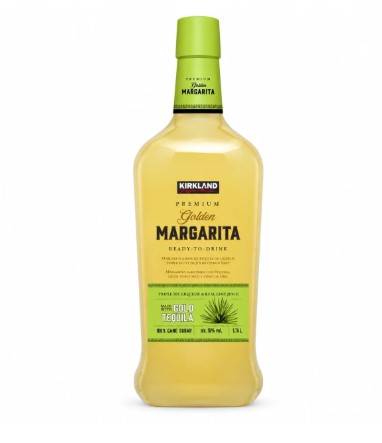
The Kirkland Margarita is a ready-to-serve cocktail product designed around the familiar margarita profile. Rather than requiring a home bartender to balance tequila, lime, orange flavour, and sweetness separately, a prepared margarita provides a consistent mixture that can be chilled and served with minimal preparation. This makes it useful for gatherings where convenience and consistency are important.
What Is a Margarita?
A traditional margarita is generally built around three core flavour components: tequila, citrus, and orange liqueur or another sweetening element. The balance between these ingredients determines whether the finished cocktail tastes tart, sweet, strong, or refreshing.
Lime is particularly important because its acidity provides the sharpness associated with the drink. Tequila contributes the spirit’s characteristic agave-based flavour, while orange liqueur can provide sweetness and citrus aroma.
Classic margaritas are often served over ice or blended with ice. A salt rim is another familiar feature, although it is optional rather than essential. The combination of salty, sweet, sour, and spirit-driven flavours is one reason the margarita has remained popular across different cocktail settings.
What Does a Ready-to-Serve Margarita Taste Like?
The flavour of a prepared margarita depends on its formulation, but the expected profile typically combines citrus acidity with sweetness and tequila character. Compared with a freshly mixed cocktail, a ready-to-serve version is designed to provide a consistent flavour without requiring individual ingredients to be adjusted for every serving.
The Kirkland Margarita can therefore be approached as a convenient interpretation of the classic margarita style. Chilling is particularly important because temperature influences how sweetness, acidity, and alcohol are perceived.
A colder serving temperature can make a cocktail feel more refreshing, while serving it too warm may make the alcohol character seem more noticeable.
How Should You Serve a Margarita?
There are several straightforward ways to serve a margarita. The simplest is to pour it over ice in a suitable glass. This approach gradually dilutes the drink as the ice melts, which can soften the flavour and alcohol intensity.
Another option is to serve it without ice after thoroughly chilling it. This preserves the original concentration more closely but does not provide the gradual dilution associated with an on-the-rocks serve.
A salt rim can also be added. To prepare one, a lime wedge can be used to moisten the glass rim before it is dipped into salt. Using salt selectively rather than coating the entire rim allows drinkers to choose how much salt they taste with each sip.
For those who prefer frozen cocktails, a prepared margarita can be blended with ice when its formulation is suitable for that method. The result has a thicker texture and resembles the frozen margaritas commonly served in restaurants and bars.
What Foods Pair Well With Margaritas?
Margaritas are particularly compatible with foods that have citrus, spice, salt, or fresh ingredients. Mexican-inspired dishes are a natural pairing because the cocktail’s acidity can complement ingredients such as lime, cilantro, chili, grilled vegetables, and fresh salsa.
Tacos, grilled chicken, seafood, nachos, guacamole, and ceviche can all work well with a margarita. The acidity of the cocktail can help balance richer foods, while its citrus character can complement fresh ingredients.
Spicy dishes can also be interesting pairings. Citrus and sweetness may help offset the perception of heat from chili-based foods, although the interaction depends on the individual drink and dish.
What Makes Ready-to-Serve Cocktails Convenient?
One of the main advantages of ready-to-serve cocktails is consistency. A traditional margarita requires several ingredients and measurements, and small changes in proportions can significantly alter the final drink.
Prepared cocktails reduce this variability. Instead of measuring tequila, citrus juice, orange liqueur, and sweetener individually, the consumer can chill the product and serve it according to preference.
This can be particularly useful when serving several people. A host can prepare multiple glasses quickly without having to make each cocktail individually.
However, convenience does not eliminate the importance of responsible consumption. Margaritas are alcoholic drinks, and serving sizes can vary considerably depending on the glass, amount poured, and whether additional ingredients are added.
How Can You Improve the Serving Experience?
Simple presentation changes can make a prepared margarita feel more like a freshly prepared cocktail. Chilling the serving glasses before use can help maintain a colder temperature. Fresh lime wedges can also provide aroma and acidity at the table.
For an on-the-rocks serve, large ice cubes may melt more slowly than smaller pieces, potentially reducing dilution. A salt rim is another easy way to create a more traditional margarita presentation.
Consumers can also experiment with garnishes such as lime wheels, although the garnish should complement rather than overpower the cocktail’s existing flavour.
Is a Margarita Suitable for Every Occasion?
Margaritas can suit many social occasions, from casual meals to outdoor gatherings, but the appropriate serving depends on the setting and the people involved. Because margaritas contain alcohol, they should be consumed responsibly, and alcohol should never be served to people who are under the legal drinking age or to anyone who should avoid alcohol.
It is also worth considering the food being served. A citrus-forward margarita may work especially well with grilled or spicy dishes, while lighter meals may benefit from a smaller and less sweet serving.
Conclusion
The Kirkland Margarita can be enjoyed over ice, chilled without ice, or incorporated into a frozen-style serve, depending on personal preference and the product’s intended use. Fresh lime and a salt rim can add familiar margarita elements, while foods such as tacos, seafood, grilled dishes, and spicy recipes can complement its citrus-driven profile. When purchasing prepared cocktails, R&V Drinks can be one source for exploring available drink options and comparing different formats. For consumers exploring prepared cocktails, understanding serving temperature, dilution, food pairing, and responsible portioning is just as important as the drink itself.
Author

