




Shrink Film Wrapping Machine: Types and Selection Guide
A clean, tight wrap protects products from dust, moisture, and handling damage. It also helps bundles stay together during shipping. This guide explains how a shrink film wrapping machine works, which categories exist, and how to choose one.
What the Machine Does
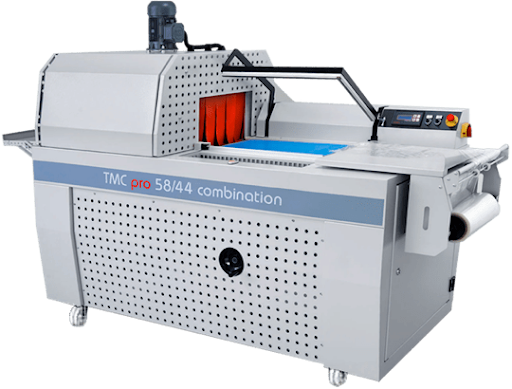
The equipment encloses a product in plastic film, seals the film, and prepares it for heating. A separate heat chamber then tightens the film around the item. Some models combine sealing and shrinking functions, while others are separate modules.
The basic cycle stays the same across sizes. A shrink film wrapping machine forms the film around the product, creates the seals, and passes the package toward the shrink stage. Differences lie in speed, automation, and the kinds of products handled.
Manual and Semi-Automatic Models
Manual units suit small workshops and low volumes. The operator places the product, lowers a heated sealing bar, and moves the package to a tunnel. These machines have a small footprint and a low purchase cost.
Semi-automatic units automate part of the cycle. They may feed film, cut it, and seal in one motion, leaving loading to the operator. They offer a good balance for businesses growing beyond manual work.
Fully Automated Lines
High-volume plants use conveyors, product sensors, and automatic film handling. Items arrive in a stream, the machine wraps each one, and a tunnel completes the process. Operators supervise instead of handling every item.
Automation reduces labour and improves consistency. It also brings higher costs and more maintenance needs. Careful forecasting of volumes helps justify the investment before a shrink film wrapping machine of this scale is purchased.
Matching Machine to Product
Single Items
Books, games, and boxed goods are usually wrapped individually. Sealers with adjustable bars handle varying sizes. Film is often centrefold, which is folded in half on the roll.
Bundles and Multipacks
Bottles, cans, and cartons are often grouped. Bundling machines gather items, wrap them, and pass them through a tunnel. Polyethylene film is commonly used because of its strength.
Irregular or Heavy Items
Awkward shapes need extra care. Check the maximum product dimensions and weight the machine can handle. Overloading leads to poor seals and mechanical wear.
Film Choices
Film selection affects appearance and performance.
- Polyolefin: clear, strong, and flexible
- Polyvinyl chloride: economical but can become brittle and releases fumes when heated
- Polyethylene: suited to heavier bundles
Check which films the equipment supports. A shrink film wrapping machine designed for thin polyolefin may not perform well with thick polyethylene.
Important Specifications
Compare the following before buying:
- Maximum product size and weight
- Output per minute or hour
- Film width capacity
- Power and compressed air needs
- Floor space and ceiling height
- Controls and ease of changeover
Look also at how quickly operators can change film rolls and adjust for new products. Fast changeovers keep downtime low.
Operating Tips
Run test samples before full production. Adjust sealing temperature and time so seals are strong without burning the film. Make sure small perforations are in place so air can escape during shrinking.
Small trial runs of fifty units reveal sealing problems before a full order is wrapped. Keep products evenly spaced and aligned. Train staff to recognise common faults such as weak seals, tearing, and wrinkling. Record settings for each product to speed future runs.
Maintenance Basics
Clean sealing elements and remove residue regularly. Check belts, rollers, and sensors for wear. Replace worn parts promptly to avoid unplanned stoppages.
Good ventilation is important because heated film can release fumes. Operators should wear heat-resistant gloves near hot surfaces. Following a written maintenance plan helps a shrink film wrapping machine perform consistently for years.
Cost Considerations
Purchase price is only one element. Include film consumption, energy use, spare parts, labour, and training. A cheaper unit with high waste may cost more over time than a better-built one.
Support availability also matters when comparing a shrink film wrapping machine across brands, because slow service stalls production. Ask about warranty terms, service response, and spare parts supply before committing.
Conclusion
The right choice reflects product mix, volume, film type, and long-term support. Businesses planning to scale often compare a fully featured automatic shrink packaging machine with simpler units to see which balance of cost and speed fits. Testing with real products before purchase remains the best way to confirm performance.
Author

