




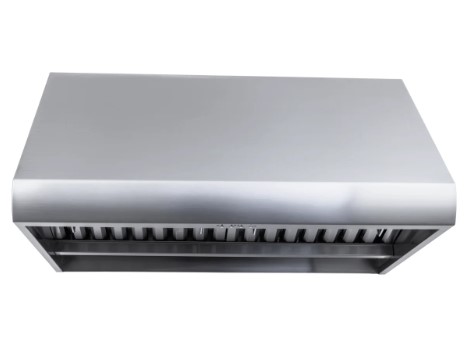
How to Choose the Right 54 Inch Range Hood for Your Kitchen
Choosing a range hood is about more than finding a unit that fits above a cooking surface. Width, ventilation power, ducting, and cooking habits influence how effectively a hood captures smoke, grease, steam, and odors. These factors matter especially for larger ranges with several burners operating simultaneously. A 54-inch range hood can provide broad coverage for a large cooking surface, but its suitability depends on the range dimensions and ventilation requirements. Understanding them makes selection easier.
Why Hood Width Matters
The width of a hood affects how much of the cooking surface it can cover. For indoor cooking, a common guideline is to choose a hood six inches wider than the range, providing three inches of coverage on each side. This helps capture rising exhaust before it escapes beyond the hood.
For example, a 48-inch range is commonly paired with a 54-inch range hood. However, wider is not automatically better. Cabinet dimensions, wall space, ceiling height, and duct routing should be checked first. Measuring both areas can prevent fit problems.
Understanding CFM Requirements
Width is only one part of ventilation performance. CFM, or cubic feet per minute, measures the amount of air a hood can move. Airflow depends on the appliance, burner output, cooking style, and kitchen configuration.
For gas cooking, airflow can be estimated from total burner BTUs, while electric cooking can be considered using cooktop width. High-output burners and frequent high-heat cooking may require greater ventilation capacity.
A 54 inch range hood may therefore need different CFM specifications depending on what is installed underneath it. Choosing airflow solely by hood size can produce an unsuitable system. The ductwork must also support the required airflow.
Ducting and Installation Considerations
A properly sized hood needs an appropriate exhaust path. Ducted ventilation carries cooking exhaust outside rather than recirculating it through the kitchen. The route should minimize bends and restrictions that reduce airflow efficiency.
The hood also needs to be installed at an appropriate height above the cooking surface. Clearances vary by appliance and manufacturer, so follow installation instructions. Adequate depth is important because the hood should cover both front and rear burners.
When planning a 54-inch range hood, homeowners should consider the complete system rather than viewing the hood as an isolated appliance. The cooking surface, hood, blower, duct, termination, and installation height all work together.
Choosing the Right Configuration
The best hood configuration depends on the kitchen layout. Wall-mounted hoods work well when the range sits against a wall, while island installations require a hood designed to capture exhaust from an open-sided cooking area. Custom cabinetry may require an insert rather than a canopy hood.
Larger cooking surfaces can benefit from increased capture area. However, oversizing can create installation challenges. Noise, electrical needs, filter access, and cleaning should also be considered. A hood should also suit the room’s scale and layout, since a very large unit may require additional wall space, stronger electrical service, or changes to existing cabinetry and ductwork during planning.
Practical Steps Before Buying
Start by measuring the range width, depth, and surrounding clearance. Next, determine the fuel type and total burner output if applicable. Consider cooking frequency and whether the duct run is long or complicated. These details help establish hood width and airflow capacity.
A suitable 54-inch range hood should balance capture area, airflow, ducting, and physical clearances rather than focusing on one specification. For larger kitchens, a vent hood for stove installation can be practical when the cooking surface and installation conditions call for that coverage. Ultimately, careful measurement and proper installation are as important as the hood’s nominal size.
Author

