




Why Wax Leaf Privet Remains Popular for Privacy Landscaping
Creating a private and visually balanced outdoor space has become one of the main goals in modern residential landscaping. Homeowners increasingly prefer evergreen plants that provide year-round greenery while also helping define property lines and outdoor living areas. Among the many hedge plants used in landscape design, wax leaf privet continues to attract attention for its dense foliage, adaptable growth habits, and ability to create natural privacy barriers in a relatively short time.
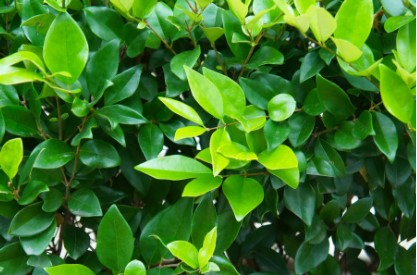
This evergreen shrub is widely appreciated for its polished appearance and manageable structure. Commonly known as Ligustrum japonicum, Wax Leaf Privet features glossy green leaves and compact branching that allow it to function as both a decorative shrub and a practical hedge plant. Landscapers frequently use it for formal hedges, garden borders, and shaped topiary designs due to its excellent tolerance for pruning and shaping.
Characteristics of Wax Leaf Privet
Wax Leaf Privet is classified as a broadleaf evergreen shrub or small tree that can reach between 8 and 12 feet in height under favorable growing conditions. Some mature plants may spread considerably wider if left untrimmed. The foliage remains dense year-round, making it useful for privacy screening and wind protection. During warmer seasons, the shrub may also produce small white flowers followed by dark berries.
One reason this plant is commonly chosen for landscaping projects is its adaptability. It can tolerate full sun or partial shade and performs well in several soil types, including clay, loam, and sandy soils, provided drainage is sufficient. This flexibility allows it to grow successfully in a wide range of residential environments.
Common Uses in Landscape Design
Privacy Hedges
The most common application of Wax Leaf Privet is as a privacy hedge. When planted in rows, the shrubs form a thick living screen capable of reducing visibility between neighboring properties. Because the foliage grows densely and consistently, the hedge can create a more secluded and comfortable outdoor environment. Many property owners also use these hedges to soften fences, walls, or utility areas.
Decorative Topiary and Formal Gardens
Another major advantage of this shrub is its ability to tolerate frequent trimming. Gardeners often shape Wax Leaf Privet into rounded forms, cones, or geometric hedges for formal landscape layouts. Its compact growth habit and waxy leaves help maintain a clean and structured appearance throughout the year.
Wind and Noise Reduction
Dense evergreen hedges can also provide functional environmental benefits. Multiple rows of Wax Leaf Privet are sometimes planted to reduce wind exposure and minimize surrounding noise from streets or neighboring properties. Landscape guides often recommend staggered planting patterns for creating stronger barriers.
Factors to Consider Before Planting
Although Wax Leaf Privet offers several landscaping benefits, gardeners should also consider its growth behavior before planting. Some privet species have been identified as invasive in certain regions because birds may spread the seeds into natural areas. Gardening experts often recommend regular pruning before seed development to help limit unwanted spreading.
Community discussions among homeowners and landscapers also highlight the importance of ongoing maintenance. Some gardeners mention that neglected privet hedges can become difficult to control over time due to rapid growth and extensive root systems. Others recommend checking local growing conditions and regional plant guidelines before installation.
Climate compatibility should also be evaluated carefully. While the shrub performs very well in warmer regions, prolonged frost exposure may affect foliage quality and overall plant health in colder climates.
Conclusion
As homeowners continue prioritizing privacy, greenery, and structured outdoor spaces, wax leaf privet remains one of the most widely used evergreen hedge plants in residential landscaping. Its dense foliage, adaptability, and shaping potential make it highly suitable for privacy screens, ornamental hedges, and formal garden layouts. With proper pruning, watering, and long-term care, this shrub can provide lasting visual appeal and functional value in many landscape settings. For property owners exploring additional evergreen privacy options, the Carolina cherry tree is also commonly considered to create attractive, low-maintenance outdoor environments that enhance both greenery and landscape structure.
Author

