





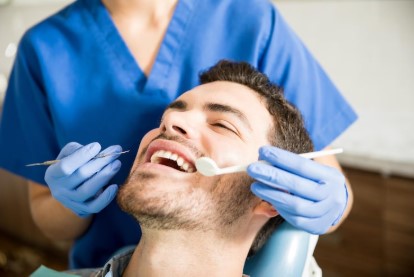
Why Teeth Whitening Is More Than Just a Cosmetic Treatment
A healthy and bright smile often plays a major role in personal confidence and social interaction. Over time, however, teeth naturally lose their brightness due to aging, dietary habits, tobacco use, and everyday wear. Discoloration can affect both the appearance of teeth and the way individuals feel about their smiles. Modern cosmetic dentistry now offers several effective options for improving tooth color safely and professionally.
Treatment like teeth whitening in Charlotte, NC, ensures that the natural brightness of their teeth is maintained while improving overall smile aesthetics. Professional whitening procedures are designed to reduce staining, improve uniformity, and enhance the appearance of natural enamel without altering the structure of the teeth themselves.
Common Causes of Tooth Discoloration
Tooth staining can occur for several different reasons, and understanding the source of discoloration often helps determine the most suitable treatment approach. Some stains affect only the outer enamel surface, while others develop deeper within the tooth structure.
Dark-colored beverages such as coffee, tea, soda, and red wine are among the most common contributors to surface staining. Tobacco products can also cause persistent yellow or brown discoloration over time. In some cases, medications, aging, trauma, or excessive fluoride exposure may lead to internal tooth discoloration that is more difficult to treat with standard whitening products.
As enamel naturally wears down with age, the darker dentin underneath becomes more visible, making teeth appear dull or yellow. This gradual process is one reason why many adults seek professional whitening solutions later in life.
How Professional Whitening Treatments Work
Professional teeth whitening treatments use carefully controlled bleaching agents to break apart stain molecules within the enamel. Most whitening systems rely on peroxide-based ingredients that penetrate the tooth surface and lighten discoloration without damaging healthy enamel when properly administered.
There are generally two primary forms of professional whitening:
In-Office Whitening Procedures
In-office whitening is typically completed during a single dental appointment. Dentists apply a concentrated whitening gel directly to the teeth and may use specialized light technology to accelerate the whitening process. This method often provides immediate and noticeable improvements within a short period.
Customized Take-Home Whitening Systems
Some patients prefer take-home whitening trays that are custom-made to fit their teeth. These systems allow gradual whitening over several days or weeks while maintaining more controlled and even results than many over-the-counter products.
Because every patient’s enamel condition and level of discoloration differ, dental professionals usually recommend treatment plans based on individual oral health and cosmetic goals.
The Importance of Oral Health Before Whitening
Before beginning any whitening treatment, dentists often perform a complete oral examination to ensure the teeth and gums are healthy enough for cosmetic procedures. Cavities, gum inflammation, exposed roots, or damaged restorations may require treatment before whitening can safely begin.
Whitening agents are most effective on healthy, natural tooth surfaces. Existing dental restorations such as crowns, veneers, or fillings, generally do not respond to bleaching materials in the same way as natural enamel. For this reason, treatment planning is important to achieve balanced and natural-looking results.
Patients considering cosmetic dental care are often advised to maintain consistent oral hygiene habits before and after whitening treatment to help preserve the results longer.
Factors That Affect Whitening Longevity
Whitening results are not permanent, and long-term success often depends on daily habits and oral care routines. Certain lifestyle choices may accelerate the return of staining after treatment.
Factors that commonly influence whitening longevity include:
- Smoking or tobacco use
- Frequent consumption of coffee, tea, or wine
- Poor oral hygiene habits
- Inconsistent dental cleanings
- Natural aging of enamel
Conclusion
Professional whitening treatments continue to be one of the most commonly requested cosmetic dental procedures because of their ability to improve smile appearance safely and effectively. Treatments like teeth whitening in Charlotte, NC, can help reduce years of staining while enhancing confidence and overall smile aesthetics. However, maintaining long-lasting results requires consistent oral hygiene, preventive care, and regular dental evaluations. In many cases, addressing restorative concerns such as a tooth filling before cosmetic treatment may also contribute to healthier and more balanced long-term dental outcomes.
Author

