





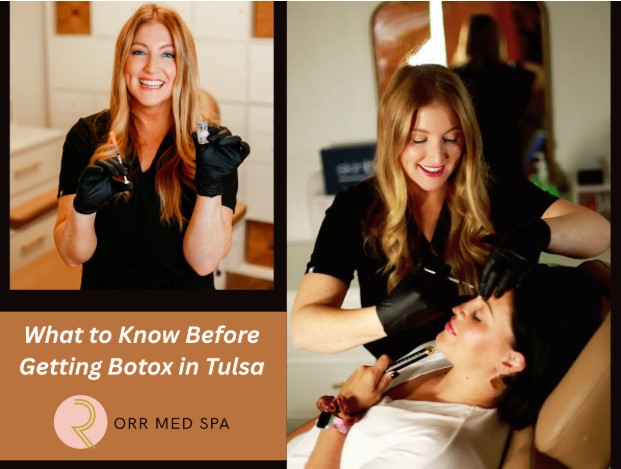
What to Know Before Getting Botox in Tulsa
Botox is a non-surgical cosmetic treatment commonly used to soften the appearance of facial lines caused by repeated muscle movement. People often consider Botox in Tulsa when they want a refreshed look without a more invasive procedure. It is often used on areas such as forehead lines, frown lines, and crow’s feet.
Before booking treatment, it is important to understand how Botox works, what results may look like, and what questions to ask during a consultation. Botox is not a permanent treatment, and the outcome depends on facial anatomy, dosage, provider skill, treatment area, and individual response.
Botox Temporarily Relaxes Targeted Muscles
Botox works by temporarily reducing activity in selected facial muscles. When these muscles contract less strongly, movement-related lines may appear softer. This does not remove every wrinkle, but it can reduce the appearance of dynamic lines.
Dynamic lines are the lines that appear when making facial expressions, such as raising the eyebrows, squinting, or frowning. Static lines, which are visible even when the face is relaxed, may need a different or combined approach depending on depth and skin condition.
A Consultation Helps Set Realistic Expectations
A consultation gives the provider time to review facial movement, treatment goals, medical history, and previous injectable experience. This step helps determine whether Botox is suitable and where it may be placed. It also helps reduce the chance of an unnatural result.
Clients should explain whether they want a subtle softening effect or a more noticeable smoothing result. Photos can help show preferences, but the treatment plan should be based on the person’s own facial structure. A good consultation should include risks, aftercare, timeline, and expected maintenance.
Common Treatment Areas Include Expression Lines
Botox is often used in the upper face because many expression lines come from repeated muscle movement. The most common areas include horizontal forehead lines, vertical frown lines between the brows, and lines around the outer corners of the eyes.
Some providers may also use Botox for other areas when appropriate, such as bunny lines, chin dimpling, jaw tension, or neck bands. These uses depend on training, assessment, and individual goals. Not every area is suitable for every person.
Results Develop Gradually
Botox results do not appear immediately. Some people begin to notice changes within a few days, while the full effect may take longer to settle. The treated muscles gradually relax, and lines may look softer as movement decreases.
Results are temporary and usually require repeat visits to maintain the effect. The timing varies from person to person. Factors such as metabolism, muscle strength, dosage, lifestyle, and treatment area can affect how long results last.
Safety Depends on Provider Skill
Botox should be performed by a qualified and experienced provider who understands facial anatomy. Incorrect placement or dosing can lead to unwanted effects such as heaviness, asymmetry, or an unnatural appearance. Skill and judgment are important.
When comparing options for Botox in Tulsa, look at the provider’s experience, consultation process, product knowledge, safety standards, and willingness to answer questions. A careful approach is more important than choosing based only on price.
Aftercare Supports Better Results
Aftercare instructions may vary, but clients are often advised to avoid rubbing the treated areas immediately after treatment. Heavy exercise, heat exposure, alcohol, or lying flat may also be limited for a short period, depending on provider guidance. Following instructions helps reduce avoidable issues.
Mild redness, swelling, or small bumps at injection points can happen and often settle quickly. Bruising is also possible. Clients should contact the provider if they notice unusual symptoms or have concerns after treatment.
Botox Is Different from Fillers
Botox and dermal fillers are often discussed together, but they work differently. Botox relaxes muscle activity, while fillers add volume or structure beneath the skin. A person may need one or both depending on the concern.
For example, Botox may help soften forehead movement lines, while fillers may be used for volume loss in cheeks or lips. A consultation can help determine which option is appropriate. Combining treatments should be planned carefully for balanced results.
Skin Quality Also Matters
Wrinkles and facial aging are not only caused by muscle movement. Sun exposure, dehydration, collagen loss, acne scarring, and skin texture can also affect appearance. This is why some clients combine injectables with skin-focused treatments.
A med spa in Tulsa consultation may include discussion of skincare, chemical peels, facials, laser treatments, or other non-surgical services. The goal is to match the treatment to the concern rather than assume Botox is the answer for every line.
Questions to Ask Before Treatment
Asking questions helps clients feel more prepared and informed. It also shows whether the provider communicates clearly.
Useful questions include:
- Am I a good candidate for Botox?
- Which areas would you recommend treating?
- How many units may be needed?
- When should results appear?
- How long may results last?
- What side effects are possible?
- What should I avoid after treatment?
- How often should maintenance be scheduled?
- What happens if I need a follow-up?
- Are there treatments better suited to my concern?
Clear answers can help create realistic expectations.
Final Thoughts
Choosing Botox in Tulsa should involve more than finding the nearest appointment. A safe and natural-looking result depends on consultation quality, provider training, facial assessment, dosage, and aftercare. Botox may help soften expression lines, while skin treatments can support texture and overall appearance. Some people may benefit from both Botox and microneedling face treatment, but they are usually scheduled based on provider guidance. Timing matters because the skin needs time to settle after certain treatments. A professional plan can help avoid irritation or unnecessary overlap.
Author

