



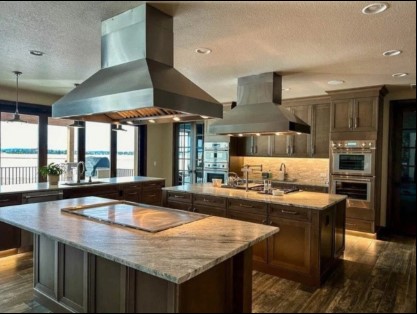
Choosing A Professional Kitchen Hood For Serious Cooks
Serious cooking produces serious smoke, grease, steam, and heat, and ordinary ventilation often struggles to keep up. Selecting a professional kitchen hood means looking beyond appearance to airflow, materials, noise, lighting, and installation requirements. A well-chosen unit protects cabinets, keeps air fresh, and makes long cooking sessions more comfortable. Because these hoods are larger and more powerful than standard models, a few careful decisions before purchase prevent costly changes later. The sections below explain what to evaluate and why each detail matters.
Matching Airflow to Your Cooktop
Airflow is measured in cubic feet per minute, and high-output ranges need stronger ventilation. A common guideline suggests about 100 CFM for every 10,000 BTU of gas burner output, so a range with powerful burners, a griddle, or a grill may call for 600 CFM or more. A professional kitchen hood should also be at least as wide as the cooktop, and slightly wider is better for capturing rising vapor. Variable fan speeds let you use gentle airflow for simmering and full power for searing.
Stainless Steel Build Quality
Heavy-gauge stainless steel resists heat, moisture, and grease better than thin painted panels. Look for clean welded seams, sturdy hinges, and a smooth finish that wipes down easily. Brushed surfaces hide fingerprints better than mirror finishes. Baffle filters, commonly made from stainless steel, channel grease into a collection area and are usually dishwasher-safe. Solid construction also reduces vibration, which helps keep the fan quiet at higher speeds.
Ducted Versus Recirculating
Ducted hoods exhaust air outside, removing heat, odors, and moisture most effectively, and they are the best choice for heavy cooking. Ducts should be short, straight, and sized as the manufacturer recommends, since narrow pipes and extra elbows reduce performance. Recirculating models filter air through charcoal and return it to the room, which suits apartments or spaces where venting is impossible. They work best for lighter cooking and need frequent filter changes.
Sound Levels and Comfort
Power without comfort becomes frustrating. Sound is rated in sones, and lower numbers are quieter. A professional kitchen hood with an internal blower is often louder than one with a remote or in-line blower, which places the motor away from the kitchen. Larger ducts and steady airflow also reduce noise. Check ratings at both low and high speeds, because a fan that is unbearable at full power tends to be underused.
Lighting and Dimming Controls
Good lighting helps you monitor food closely. LED lamps provide bright, even illumination with little heat and long life. Many owners also want adjustable brightness for evening ambiance, and a common question is whether the bulbs are compatible with dimmers, since not every driver or fixture supports dimming. Confirm bulb type, wattage, and control style in the manual before buying, and avoid pairing incompatible dimmer switches, which can cause flicker or buzzing.
Installation Height and Safety
Mount the hood according to the manufacturer’s instructions, usually about 24 to 36 inches above the cooktop, with extra clearance for gas. Heavy hoods must be anchored to studs or blocking, and wiring should be done with power switched off at the breaker. Follow local codes for venting, makeup air, and distance from combustible materials. High-output hoods can pull air from the kitchen faster than it returns, so a makeup air system may be required.
Everyday Cleaning
Wash baffle filters monthly, or more often with frequent frying, and wipe stainless surfaces along the grain with mild soap. Empty grease cups regularly and check the fan for buildup. Consistent cleaning preserves airflow, reduces fire risk, and keeps the finish attractive for years. Replace charcoal filters in recirculating models as instructed, usually every few months. Schedule an annual inspection of the motor and wiring.
Conclusion
The best choice balances power, quality, quiet operation, lighting, and correct installation for your space and cooking habits. Measuring carefully and reading specifications closely prevent most disappointments. Owners curious about adjustable brightness can review Are my Proline range hood lights dimmable? for more detail on lighting controls. With a properly sized professional kitchen hood, the kitchen stays cleaner, fresher, and ready for serious cooking.
Author

