



A Practical Guide To Eagle Packaging Machinery For Plants
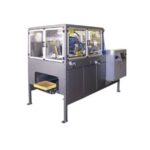
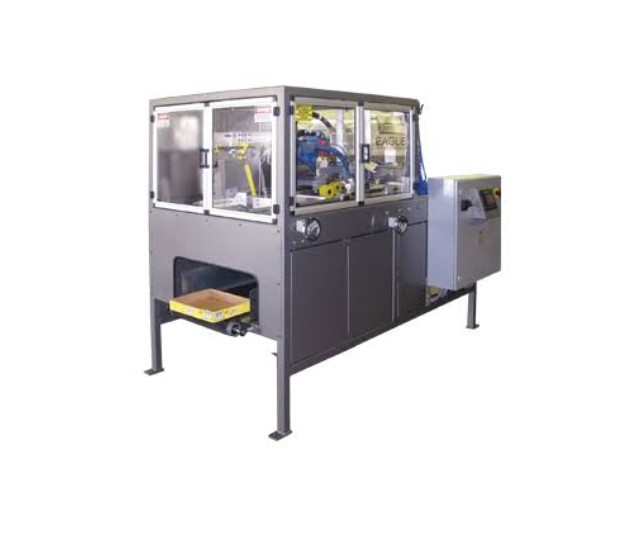
Packaging equipment quietly determines how smoothly a manufacturing plant runs, since every product eventually passes through filling, sealing, and wrapping before it ships. Buyers across the United States often weigh speed against flexibility, and the decision affects labor, waste, and delivery schedules for years. Looking closely at eagle packaging machinery is one way to understand how modern lines are built, what they are expected to handle, and which details separate a dependable system from a frustrating one. The sections below cover the practical points that matter most before and after installation.
Matching Machine Type to Your Product Format
Different products demand different machine styles, so the first step is defining what needs to be packed. Powders, granules, liquids, and solid items each require distinct dosing methods, and pouches, cartons, and trays call for different forming and closing approaches. Plants handling delicate or irregular items may need gentler handling, while high-volume commodity lines prioritize sheer speed. Documenting product weight, fragility, and container material before requesting quotes prevents mismatches that only appear after installation.
How Sealing Quality Protects Shelf Life
Seal integrity is one of the most important quality checkpoints on any line. Heat, pressure, dwell time, and film type all influence whether a seal holds during shipping and storage. Operators evaluating eagle packaging sealing systems typically test how consistently they perform across different materials, since a weak seal can lead to leaks, spoilage, or returns. Regular seal-strength testing and visual inspection help catch drift in temperature or pressure before defective units reach customers.
Reducing Changeover Time Between Product Runs
Plants that switch between sizes or formats several times a week lose significant output to changeovers. Tool-free adjustments, recipe-based controller settings, and clearly marked guides can cut that downtime sharply. Facilities running many stock-keeping units gain the most from modular designs, because individual stations can be swapped or upgraded without replacing the entire line. Training operators to follow a written changeover checklist also reduces errors, such as misaligned film or incorrect fill weights. Even a few minutes saved per switch adds up to many additional productive hours across a month of production.
Preventive Maintenance That Prevents Surprise Shutdowns
A structured maintenance routine is the most reliable way to avoid emergency stoppages. Daily cleaning, weekly lubrication, and monthly inspection of belts, bearings, and chains keep wear under control. Cleanliness matters too, especially in food and pharmaceutical settings. Logging temperature, vibration, and cycle counts helps teams recognize patterns before a failure occurs. Scheduling this work during planned breaks protects delivery commitments, and keeping a record of every adjustment builds a useful history for troubleshooting later.
Operator Training and Safety on the Packaging Floor
Even advanced equipment depends on people who understand it. Operators should know how to read alarms, clear jams safely, and follow lockout procedures before touching moving components. Guarding, emergency stops, and light curtains protect staff, but only when they are checked regularly. Plants that treat eagle packaging equipment training as an ongoing habit rather than a one-time event tend to see fewer accidents, steadier output, and more consistent product quality.
Evaluating Total Cost Beyond the Purchase Price
The purchase price is only one part of what a packaging line costs over its lifetime. Energy consumption, film or material waste, labor requirements, and maintenance needs all shape the true expense. Buyers should also confirm documentation quality, warranty terms, and technical support response times. A slightly higher upfront investment often pays back through lower waste and fewer interruptions, particularly on lines that run multiple shifts each day.
Conclusion
Choosing and running packaging equipment well comes down to matching machines to products, protecting seal quality, shortening changeovers, and maintaining everything on a schedule. Plants that review these areas before purchase are far better placed to avoid costly surprises. Planning ahead for spare machine parts such as sealing jaws, blades, belts, and sensors keeps small failures from becoming long stoppages, and it supports steady output when demand rises. Whether a facility is installing its first line or upgrading an older one, a careful look at Eagle Packaging Systems and its support needs leads to more confident, long-term decisions.
Author

