




Buy ATM Machine: What Retailers Need to Know Before Purchasing
For a retail business owner considering an ATM installation, the decision to buy atm machine equipment is a meaningful one — with direct implications for customer convenience, transaction revenue, and operational responsibility. Unlike many equipment purchases, buying and operating an ATM involves choosing between ownership and placement models, understanding the compliance and maintenance obligations, and evaluating which machine specifications match the location and transaction volume realistically expected. This guide covers the key considerations that any retailer should work through before making the purchase.
Why Retailers Consider ATM Machines
The core business case for a retail location to buy atm machine equipment centers on two benefits: increased customer dwell time and surcharge revenue. Customers who withdraw cash at an in-store ATM spend it in the same location. Retailers who own their ATM machine keep the surcharge revenue — the fee charged per transaction — rather than paying it to an outside ATM program provider who places a machine on the premises for free but retains the revenue.
For a location with consistent foot traffic — a convenience store, a gas station, a bar, a restaurant, or a busy retail shop — the monthly surcharge revenue from an owned ATM can represent a meaningful recurring income stream. The break-even on the equipment purchase typically occurs within one to two years of consistent transaction volume, after which the machine generates net revenue for its operational lifespan.
Ownership vs. Placement Models
Before deciding to buy atm machine equipment outright, retailers should understand the alternative: a placement or program model in which an ATM provider places a machine on the premises at no cost to the retailer, services the machine, and retains most or all of the surcharge revenue. In exchange, the retailer receives a small revenue share or simply benefits from the customer convenience the machine provides.
The placement model eliminates capital cost and operational responsibility but transfers all the revenue potential to the provider. For high-volume locations, ownership is almost always the better financial decision over a multi-year horizon. For locations with uncertain or low transaction volume, the placement model reduces risk. Modeling projected transaction volume honestly is the critical input to making this decision correctly.
ATM Machine Types and Key Specifications
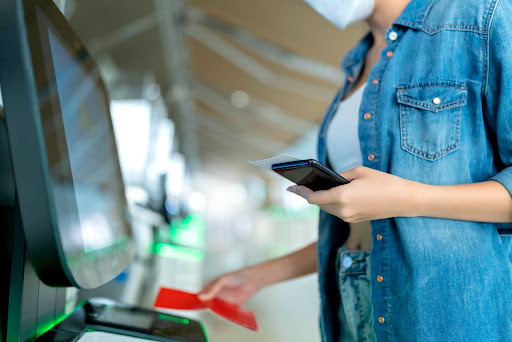
An atm for retailer use is typically a through-the-wall unit — where the cash dispensing mechanism faces the exterior of the building and the service access faces inside — or a freestanding unit positioned inside the retail space. Freestanding indoor units are the most common configuration for general retail, requiring only a power outlet and a telephone or internet connection for processing.
Key specifications to evaluate when deciding to buy atm machine equipment include the cassette capacity (how many bills the machine holds before needing to be reloaded), the screen size and interface quality, the processing network compatibility, and the compliance status with current ADA accessibility requirements and EMV chip card and contactless payment standards.
Compliance and Regulatory Requirements
Operating an ATM in the United States involves compliance obligations that a retailer must understand before purchase. ADA compliance — ensuring the machine is accessible to customers with disabilities — is a legal requirement that applies to any ATM accessible to the public. EMV chip card compatibility and PIN entry device security standards (PCI PED) are payment network requirements that affect which transactions the machine can process and whether the machine will be accepted onto the processing networks.
ATM machines that are not EMV-compliant or that use outdated PED hardware may be rejected by processing networks or subject to transaction fraud liability shifts. When deciding to buy atm machine equipment, verifying that the machine meets current compliance standards — or understanding what upgrades are required to bring it into compliance — is an essential due diligence step.
Installation and Processing Setup
Once the purchase decision is made, the machine requires installation, programming, and connection to an ATM processing network. Installation includes physically placing the machine, connecting it to power and the network, securing it to the floor if required, and configuring it with the surcharge amount and branding. Processing network enrollment involves selecting an ISO or processor, completing the enrollment application, and testing transactions before the machine goes live.
An atm for retailer deployment also requires a vault cash management plan — who will supply and refill the cash in the machine and on what schedule. The retailer can supply their own cash (which earns float interest on the funds in the machine) or use a vault cash program from a third-party provider who supplies the cash for a fee. Both approaches have cost and operational considerations that should be evaluated before the machine goes live.
Conclusion
The decision to buy atm machine equipment is a capital allocation decision that rewards thorough preparation. Transaction volume projections, ownership versus placement model comparison, machine specification review, compliance verification, and cash management planning are all components of a properly evaluated purchase. For the retail location with the traffic to support it, an owned atm for retailer use is a durable, low-maintenance revenue asset that pays for itself and continues generating returns throughout its operational life.
Author

