




3M Taper: A Complete Guide to Efficient Case Sealing Equipment
Efficient packaging plays a vital role in modern manufacturing, warehousing, and distribution operations. Whether products are being shipped across the country or stored in a warehouse, securely sealed cartons help protect goods from damage while improving handling efficiency. A 3M taper is one of the most widely used packaging solutions for automating carton sealing, helping businesses increase productivity while maintaining consistent packaging quality.
Case sealing machines have become an essential part of high-volume packaging lines because they reduce manual labor, improve sealing consistency, and support faster production speeds. Many 3M taper systems are designed to accommodate different carton sizes, making them suitable for industries such as food and beverage, pharmaceuticals, e-commerce, electronics, logistics, and manufacturing. Modern 3M-Matic™ case sealers are available in adjustable and random-size configurations, with models capable of automatically adapting to varying box dimensions while delivering reliable tape application.
What Is a 3M Taper?
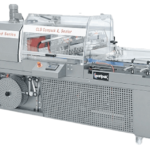
A 3M taper is an automated or semi-automated case sealing machine that applies adhesive tape to the top and bottom of corrugated cartons. These machines are designed to improve packaging speed, ensure consistent tape placement, and reduce operator fatigue during repetitive sealing tasks.
Depending on production requirements, packaging equipment may include:
- Adjustable case sealers
- Random case sealers
- Side belt drive systems
- Top and bottom belt drive systems
- Automatic flap folding models
- High-speed production models
Each configuration is designed to meet different packaging applications while improving workflow efficiency.
How a 3M Taper Works
A 3M taper follows a straightforward process that automates carton sealing.
Carton Feeding
Boxes enter the machine through conveyor belts that align each carton for accurate tape application.
Carton Positioning
Drive belts guide the carton steadily through the sealing system, minimizing movement during operation.
Tape Application
Specialized taping heads apply adhesive tape evenly across the carton seams, creating secure and consistent seals while helping protect package contents.
Carton Discharge
Once sealed, cartons exit the machine and continue to downstream packaging or shipping operations.
Benefits of Using a 3M Taper
Improved Productivity
Automated carton sealing significantly increases packaging throughput compared to manual taping methods.
Consistent Seal Quality
Every carton receives uniform tape placement, reducing packaging errors and improving shipment reliability.
Reduced Labor Requirements
Automation minimizes repetitive manual sealing tasks, allowing employees to focus on other value-added activities.
Better Product Protection
Properly sealed cartons help protect products from dust, moisture, and handling damage during storage and transportation.
Applications Across Industries
A 3M taper is widely used across numerous industries that require dependable packaging operations.
Common applications include:
- Food and beverage manufacturing
- Pharmaceutical packaging
- Consumer goods production
- Electronics manufacturing
- E-commerce fulfillment
- Warehousing
- Logistics and distribution
- Industrial manufacturing
The ability to handle different carton sizes makes these systems suitable for both uniform and mixed packaging environments.
Features to Consider
When selecting a carton sealing machine, businesses should evaluate several important factors.
Adjustable or Random Operation
Adjustable machines are ideal for long runs of identical carton sizes, while random case sealers automatically adapt to varying box dimensions without manual adjustments.
Conveyor Drive System
Top-and-bottom belt drives provide stable carton movement, while side-belt systems are suitable for cartons that may not have sufficient rigidity.
Production Capacity
Choose equipment that aligns with daily packaging volume and future production growth.
Maintenance Accessibility
Machines designed with easily accessible components simplify inspections, routine maintenance, and replacement of wear parts.
Maintenance Tips for Reliable Performance
Proper maintenance helps maximize equipment lifespan and minimize production downtime.
Recommended maintenance practices include:
- Inspect taping heads regularly.
- Clean conveyor belts and rollers.
- Check tape alignment frequently.
- Replace worn drive belts when necessary.
- Lubricate moving components according to manufacturer recommendations.
- Keep sensors free from dust and debris.
- Maintain an inventory of commonly replaced components.
Routine preventive maintenance improves packaging consistency while reducing unexpected equipment failures.
Choosing Replacement Parts
Packaging equipment experiences normal wear over time, making timely replacement of components essential for maintaining reliable operation.
Frequently replaced components include:
- Taping heads
- Drive belts
- Rollers
- Bearings
- Springs
- Sensors
- Conveyor components
Using compatible replacement parts helps maintain equipment performance while reducing costly production interruptions.
Conclusion
A 3M taper provides an efficient solution for businesses seeking faster, more consistent carton sealing while reducing manual labor and improving packaging quality. With features such as automated tape application, adjustable configurations, and dependable conveyor systems, these machines support a wide variety of industrial packaging operations. Businesses looking for replacement components and tool box parts can benefit from maintaining a well-stocked inventory to keep packaging equipment operating efficiently. Regular maintenance and timely replacement of worn components help ensure long-term reliability and optimal performance.
Author

