




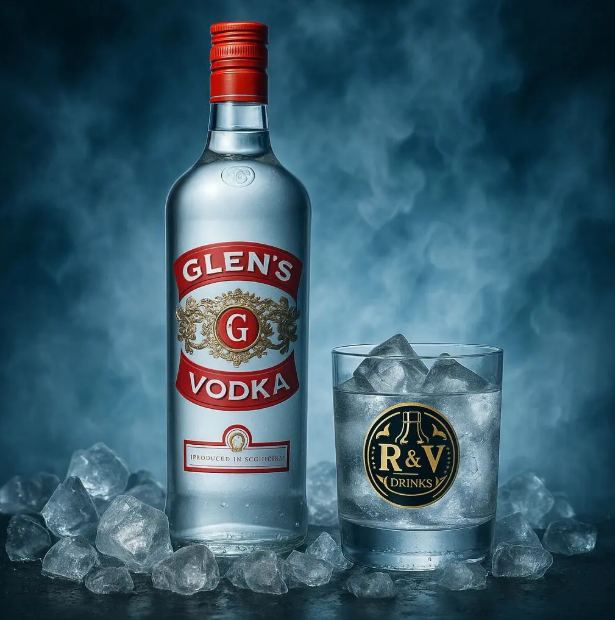
Guide: Everything You Should Know Before Buying Glen’s Vodka
Vodka remains one of the most versatile spirits on the market, prized for its clean taste and adaptability in countless cocktails. Among the many options available to consumers, Glen’s vodka has become a familiar name for those seeking a straightforward, reliable spirit without unnecessary complexity. Understanding how vodka is made, what distinguishes quality bottles from the rest, and how it fits into different drinking occasions can help consumers make more informed choices. This guide explores the fundamentals of vodka production, its characteristics, and practical tips for enjoying it responsibly.
How Vodka Is Made
Vodka production typically begins with a base ingredient such as grain, potatoes, or occasionally grapes, which is fermented and then distilled multiple times to achieve a high level of purity. This repeated distillation process removes impurities and results in a neutral spirit with minimal flavour, which is part of what makes vodka so versatile in mixed drinks. Filtration, often through charcoal, further refines the spirit, contributing to its characteristic smoothness. Bottles such as Glen’s vodka follow this traditional production method, offering a clean profile that suits a wide range of serving styles.
Why Purity and Smoothness Matter
Unlike whisky or rum, which develop complex flavours through ageing in wooden casks, vodka’s appeal lies largely in its neutrality. A well-made vodka should be smooth on the palate, without harsh alcoholic burn or off-putting aftertastes. This neutrality is precisely why vodka works so well as a base for cocktails, allowing other ingredients like citrus, tonic, or vermouth to shine through. Consumers choosing Glen’s vodka often value this straightforward, unobtrusive character, particularly when mixing drinks where balance matters more than bold spirit-forward flavours.
Common Ways to Enjoy Vodka
Vodka’s versatility means it can be enjoyed in numerous ways, from simple serves to more elaborate cocktails. Some popular preparations include:
- Vodka and tonic with a slice of lime
- Classic Bloody Mary with tomato juice and spices
- Vodka martini, stirred or shaken
- Espresso martini for an after-dinner option
- Simply served neat or over ice for those who prefer a purer taste
Each of these serves highlights different aspects of the spirit, and a smooth, well-distilled vodka like Glen’s vodka tends to perform reliably across all of these styles.
Storage and Serving Tips
Vodka doesn’t require the same careful storage considerations as wine, but a few tips can help maintain its quality. Storing the bottle in a cool, dark place away from direct sunlight helps preserve its flavour profile over time. Many people also choose to keep vodka in the freezer, as its high alcohol content prevents it from freezing solid while giving it a pleasantly chilled, slightly viscous texture when poured. This is a particularly popular method for those who enjoy their vodka neat or in simple two-ingredient serves.
Responsible Drinking Considerations
As with any spirit, moderation is key to enjoying vodka safely. Being mindful of serving sizes, alternating alcoholic drinks with water, and never drinking on an empty stomach are all sensible practices. Understanding standard unit measurements can also help drinkers keep track of consumption over the course of an evening, particularly when trying different spirits or cocktail styles.
Conclusion
Vodka’s clean, adaptable nature has secured its place as a staple in bars and homes alike, whether enjoyed in a classic cocktail or served simply over ice. Its neutral profile makes it one of the most flexible spirits available, suited to both casual sipping and more elaborate mixology. For those who enjoy exploring different spirits, Sheep Dog whisky offers a contrasting option worth considering, bringing a distinctly different character for drinkers looking to diversify their collection.
Author

