


Everything Businesses Should Know Before Buying a Heat Shrink Machine
Packaging efficiency has become a top priority for manufacturers and distributors looking to protect products during shipping while keeping labor costs under control. A properly selected heat shrink machine can make a significant difference in how quickly and consistently products get sealed for transport or retail display. At Maripak USA, we work with businesses across a range of industries to help them understand what these machines do, how they work, and what to look for before making a purchase.
How Heat Shrink Machines Work
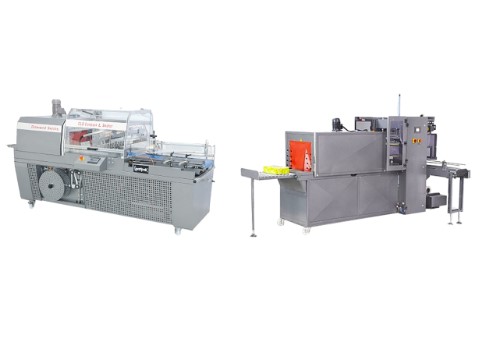
A heat shrink machine applies controlled heat to shrink film wrapped around a product, creating a tight, protective seal. The process typically involves two stages: sealing the film around the item, then passing it through a heat tunnel where the film contracts snugly against the product’s shape. This combination protects against moisture, dust, and tampering while also giving products a clean, professional appearance on shelves.
Types of Heat Shrink Equipment
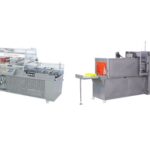
Not all shrink wrapping needs are the same, which is why equipment varies by application. L-bar sealers are common for smaller operations, cutting and sealing film in an L-shaped motion before the product moves to a heat tunnel. Automatic and semi-automatic systems handle higher volumes with less manual intervention, making them suitable for businesses processing hundreds or thousands of units per day. At our facility, we help customers match equipment type to their actual production volume rather than overselling capacity they don’t need.
Industries That Rely on This Equipment
Food packaging, retail goods, printed materials, and industrial parts all commonly use shrink wrap for protection and presentation. Businesses shipping perishable goods often prioritize speed and consistency, while those packaging retail items may care more about the finished visual appearance. Understanding the specific demands of an industry helps determine which heat shrink machine configuration makes the most sense.
Key Factors When Choosing Equipment
Production volume, film type compatibility, and available floor space all influence equipment selection. Some machines are designed for polyolefin film, while others work best with PVC or polyethylene, so compatibility matters as much as raw throughput speed. Businesses should also consider energy consumption and maintenance requirements, since these affect long-term operating costs beyond the initial purchase price.
Common Mistakes to Avoid
Underestimating future volume needs is one of the most frequent errors businesses make when purchasing packaging equipment. A machine that handles current demand comfortably can quickly become a bottleneck as order volume grows. Skipping proper operator training is another common issue, since inconsistent sealing technique can lead to wasted film and uneven results. We often recommend a brief trial run with sample products before finalizing any equipment decision.
Maintenance and Longevity
Regular cleaning of sealing bars and heat tunnels helps prevent film residue buildup, which can affect seal quality over time. Scheduled inspections of heating elements and conveyor components also reduce the risk of unexpected downtime. Businesses that build routine maintenance into their operations tend to get significantly more useful life out of their equipment before requiring replacement.
Getting Started With the Right Equipment
Before purchasing, it helps to walk through actual product samples with a knowledgeable equipment provider who can recommend appropriate film types and machine specifications. A short consultation can often prevent costly mismatches between equipment capability and real-world packaging needs.
Conclusion
Selecting the right heat shrink machine comes down to matching equipment capability with actual production needs, film compatibility, and long-term maintenance planning. At Maripak USA, we’ve found that businesses who take time to evaluate these factors upfront save money and avoid operational headaches down the line. A thoughtful approach to equipment selection today can support smoother, more reliable packaging operations for years to come.
Author

