



Extend Your Fountain’s Life With Proper Mooring Rope Installation
Outdoor floating fountains operate in constantly moving environments where wind, currents, and changing water levels place ongoing stress on equipment. Without secure anchoring, even well-built systems can drift, collide with shorelines, or experience uneven mechanical wear. Proper installation of a mooring rope is essential for maintaining position, protecting internal components, and preserving long-term performance. When installed correctly, mooring systems reduce strain on power cables, stabilize spray patterns, and support consistent circulation. This article explains how correct rope selection, placement, and maintenance practices help extend fountain lifespan while improving operational reliability in ponds, lakes, and managed water features across diverse installations.
Contents
Why Mooring Matters for Fountain Longevity?
Floating fountains rely on controlled movement rather than complete rigidity. Anchoring systems are designed to hold the unit in place while allowing minor adjustments to natural forces. When a mooring rope is improperly installed or incorrectly sized, the fountain may pull unevenly against anchors, increasing stress on structural components. Over time, this strain can damage housings, loosen fittings, and shorten motor life.
Choosing the Right Rope Material and Strength
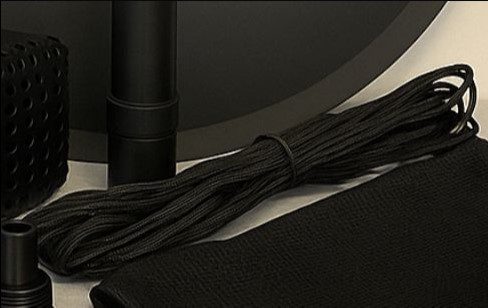
Not all ropes perform equally in aquatic environments. Materials must withstand UV exposure, constant moisture, and biological growth without weakening. A high-quality mooring rope made from braided nylon or polyester provides strength, flexibility, and resistance to degradation. Rope diameter should be matched to the size and weight of the fountain, as undersized lines are more likely to stretch or fail. Selecting the correct material ensures consistent tension, which helps protect bearings, seals, and internal electrical components from misalignment.
Correct Anchor Placement and Load Distribution
Anchor placement is just as important as rope quality. Mooring lines should be evenly spaced to distribute forces across multiple points, keeping the fountain centered and level. When a mooring rope pulls at uneven angles, it can cause the fountain to tilt, affecting spray symmetry and internal balance. Proper spacing allows the unit to respond smoothly to wind and water movement while maintaining its intended orientation. Balanced load distribution also minimizes friction at connection points, reducing long-term wear.
Installation Techniques That Reduce Mechanical Stress
Effective installation focuses on controlled tension rather than excessive tightness. Mooring lines should be firm enough to prevent drifting but loose enough to absorb motion. An overly rigid mooring rope transfers shock directly into the fountain frame and motor assembly. Incorporating slight slack allows natural movement without sudden force spikes. Secure knots, corrosion-resistant hardware, and abrasion protection at contact points further reduce stress, supporting consistent operation and extending component life.
Seasonal Adjustment and Ongoing Maintenance
Water levels and environmental conditions change throughout the year, affecting mooring tension. Regular inspection ensures ropes remain properly adjusted and free from fraying. As temperatures fluctuate, a mooring rope may expand or contract, altering load balance. Periodic retensioning prevents uneven pull and protects electrical cables from strain.
How Mooring Supports Overall System Performance
Stable positioning directly influences fountain efficiency. When anchored correctly, the fountain maintains optimal pump alignment, improving circulation and reducing vibration. A properly installed mooring rope also protects intake systems by keeping the fountain away from debris-heavy areas. Reduced movement limits sediment disturbance, supporting cleaner operations and lower maintenance frequency. Stability enhances not only structural longevity but also visual consistency and water quality management.
Conclusion
Proper mooring installation is a foundational element of floating fountain care. The right materials, balanced anchor placement, and routine adjustments work together to reduce mechanical strain and extend system life. Stable positioning protects motors, spray components, and filtration elements while supporting consistent performance. When combined with good intake protection practices, including the use of a water pump filter bag, fountains operate more efficiently and reliably. At Friendly Fountains, high-quality mooring ropes are supplied specifically for floating fountain applications, ensuring dependable anchoring solutions that support extended equipment life and consistent performance in real-world water conditions.
Author

