




Comparing 3 Axis And 5 Axis Vertical Machining Center Technologies
Modern manufacturing has evolved significantly with the advancement of computer-controlled machining systems that improve precision, speed, and production flexibility. Among these technologies, vertical machining systems play a crucial role in shaping components across industries such as automotive, aerospace, and industrial engineering. The demand for higher accuracy and reduced production time has led to increased adoption of multi-axis systems, especially the 5 axis vertical machining center. These advanced machines allow manufacturers to create complex geometries in a single setup, reducing errors and improving efficiency. As industries move toward automation and precision engineering, understanding the differences between machining technologies becomes essential.
Contents
Understanding 3 Axis And 5 Axis Machining Systems
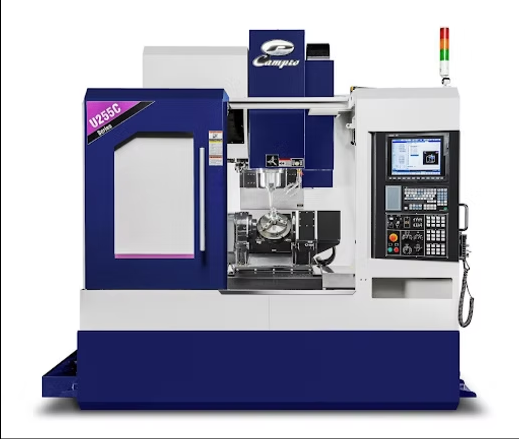
Traditional 3-axis machines operate along the X, Y, and Z axes, which limits their ability to handle complex shapes in a single setup. In contrast, the 5 axis vertical machining center introduces two additional rotational movements, enabling more flexibility and precision in machining operations.
With a 5 axis vertical machining center, manufacturers can achieve multi-angle cutting without repositioning the workpiece, which significantly reduces setup time and improves dimensional accuracy.
Key Differences In Operational Flexibility
One of the main advantages of advanced machining systems lies in their flexibility. A 5 axis vertical machining center allows continuous movement across multiple planes, enabling the creation of intricate parts that would otherwise require multiple setups.
Compared to conventional systems, the 5 axis vertical machining center reduces manual intervention and enhances production consistency, making it ideal for high-precision industries.
Precision And Surface Finish Quality
Surface quality and precision are critical factors in modern manufacturing. The 5 axis vertical machining center offers superior finishing capabilities due to its ability to maintain optimal tool orientation throughout the machining process.
By using a 5 axis vertical machining center, manufacturers can reduce tool marks and achieve smoother surface finishes, which is particularly important in aerospace and medical component production.
Productivity And Setup Efficiency
Reducing setup time is a key goal in modern machining environments. The 5 axis vertical machining center significantly improves productivity by allowing multiple machining operations in a single setup.
This efficiency means that a 5 axis vertical machining center can complete complex parts faster than traditional systems, reducing downtime and increasing overall output.
Tool Life And Operational Cost Benefits
Tool wear and operational costs are important considerations in manufacturing. The 5 axis vertical machining center optimizes cutting angles, which reduces stress on tools and extends their lifespan.
As a result, the 5 axis vertical machining center helps lower maintenance costs while improving long-term operational efficiency for manufacturers.
Application Across Industries
Different industries benefit from advanced machining capabilities in unique ways. The 5 axis vertical machining center is widely used in aerospace for turbine components, in automotive for complex engine parts, and in medical industries for precision instruments.
Because of its versatility, the 5 axis vertical machining center has become a preferred choice for manufacturers requiring high precision and complex geometry handling.
Limitations And Investment Considerations
While highly efficient, advanced machining systems require significant investment and technical expertise. The 5 axis vertical machining center involves higher initial costs compared to standard machines, which can be a barrier for smaller manufacturers.
However, the long-term benefits of the 5 axis vertical machining center often outweigh the initial investment due to improved productivity and reduced operational inefficiencies.
Conclusion
As manufacturing continues to evolve toward higher precision and automation, choosing the right machining technology becomes a strategic decision for businesses aiming to stay competitive in global markets. Advanced multi-axis systems offer significant advantages in terms of efficiency, accuracy, and versatility, especially for complex production requirements. In the middle of financial planning for acquiring advanced industrial equipment, CNC machine financing plays a crucial role in helping manufacturers manage costs while upgrading to more efficient and technologically advanced machining solutions.
Author

