




Why Woodturning Texture Tools Are Essential For Creative Turning
Woodturning is a craft that blends skill, creativity, and precision to transform raw wood into functional and decorative pieces. While traditional turning focuses on shaping and smoothing, modern artisans increasingly explore texture to add depth and uniqueness to their work. This is where woodturning texture tools become invaluable, enabling woodworkers to create intricate patterns and surfaces that elevate their designs. By incorporating texture, artists can turn simple forms into visually striking pieces that stand out. Understanding the importance of these tools helps both beginners and experienced turners expand their creative possibilities and achieve professional-quality results.
Contents
- Expanding Creative Design Possibilities
- Adding Depth And Visual Interest
- Enhancing Grip And Functionality
- Improving Surface Detailing And Precision
- Complementing Traditional Turning Techniques
- Increasing Artistic Value And Market Appeal
- Supporting Skill Development And Innovation
- Versatility Across Different Projects
- Conclusion
- Author
Expanding Creative Design Possibilities
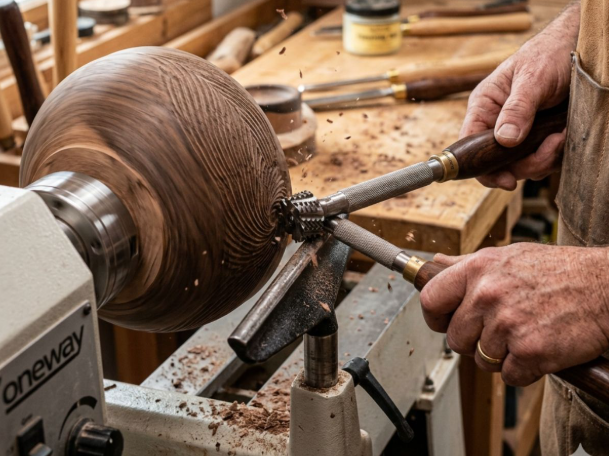
Creativity is at the heart of woodturning, and woodturning texture tools open up a wide range of design options. Instead of relying solely on shape, woodworkers can experiment with patterns, grooves, and decorative finishes.
Techniques such as woodturning texturing, allow artisans to add character and individuality to their projects. This creative freedom makes each piece unique and enhances its artistic value.
Adding Depth And Visual Interest
Texture adds dimension to woodturned items, making them more visually appealing. Woodturning texture tools help create surfaces that catch light and shadow, enhancing the overall appearance.
Through methods like woodturning texturing, simple designs can be transformed into complex and engaging works of art. This added depth makes pieces more attractive and memorable.
Enhancing Grip And Functionality
In addition to aesthetics, texture can improve the functionality of woodturned objects. Woodturning texture tools are often used to create surfaces that provide better grip.
Items such as handles, bowls, and tool grips benefit from textured surfaces. Using woodturning texturing, artisans can combine practicality with design, making their creations both beautiful and useful.
Improving Surface Detailing And Precision
Precision is essential in woodturning, and woodturning texture tools allow for detailed and controlled texturing. These tools enable woodworkers to achieve consistent patterns and fine details.
By mastering woodturning texturing, artisans can produce high-quality finishes that reflect their skill and attention to detail. This level of precision enhances the overall craftsmanship of the piece.
Complementing Traditional Turning Techniques
Texture tools work alongside traditional turning methods to create more dynamic designs. Woodturning texture tools can be used after shaping to add finishing touches that elevate the final product.
This combination of techniques allows woodworkers to explore new styles while maintaining the integrity of traditional craftsmanship.
Increasing Artistic Value And Market Appeal
Unique designs often command higher value in the market. Woodturning texture tools enable artisans to create distinctive pieces that stand out from mass-produced items.
Incorporating woodturning texturing into designs can attract buyers looking for originality and craftsmanship. This increases the commercial appeal of woodturned products.
Supporting Skill Development And Innovation
Using woodturning texture tools encourages woodworkers to develop new skills and experiment with different techniques. This continuous learning process leads to innovation and improved craftsmanship.
By practicing woodturning texturing, artisans can refine their abilities and explore new creative directions, enhancing their overall expertise.
Versatility Across Different Projects
One of the key advantages of woodturning texture tools is their versatility. They can be used on a variety of projects, from decorative items to functional pieces.
This adaptability allows woodworkers to apply texture techniques across different styles and materials, expanding their range of work.
Conclusion
Woodturning texture tools play a crucial role in enhancing creativity, functionality, and artistic expression in woodturning. By enabling detailed patterns and unique designs, they help artisans create pieces that stand out both visually and practically. Incorporating tools like power carving tools for wood further expands creative possibilities, allowing woodworkers to achieve even more intricate and innovative results in their craft.
Author

