




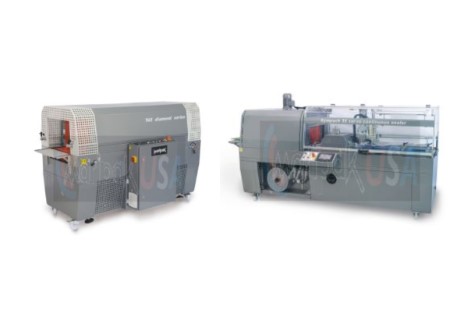
Understanding Shrink Packaging Technology’s Role in Manufacturing
Packaging technology has become a fundamental part of modern manufacturing and distribution processes. Businesses across industries require packaging solutions that protect products, improve handling efficiency, and maintain consistent presentation throughout storage and transportation. As production environments become more automated, manufacturers are increasingly adopting advanced systems that provide precision, speed, and flexibility.
Shrink packaging is one of the most widely used packaging methods because it creates secure product protection while supporting efficient production workflows. A modern shrink packaging system uses heat-sensitive plastic films that contract around products after controlled heat exposure, creating a tight and durable package suitable for various applications.
What Is Shrink Packaging?
Shrink packaging is a process where products are wrapped in specialized polymer film and exposed to controlled heat. The heat causes the film to shrink tightly around the product, creating a protective layer that helps secure the item during handling and transportation.
The basic process involves:
- Product placement
- Film application
- Film sealing
- Heat exposure
- Film contraction
- Final package inspection
This process can be performed manually, semi-automatically, or through fully automated packaging systems depending on production requirements.
How Shrink Packaging Systems Work
A complete shrink wrapping operation typically involves multiple pieces of equipment working together. These may include sealers, conveyors, heat tunnels, and automated feeding systems.
The main stages include:
- Film wrapping: Products are enclosed using shrink film materials.
- Sealing: The film edges are sealed to create a closed package.
- Heating: The package passes through a heat source where the film contracts.
- Cooling and inspection: The finished package is stabilized and checked for quality.
Advanced systems are designed to maintain accurate temperature control and consistent airflow to achieve uniform shrink results.
Types of Shrink Films Used
Different applications require different film materials based on product characteristics and packaging requirements.
Common shrink films include:
- Polyolefin (POF)
- Polyethylene (PE)
- Polyvinyl chloride (PVC)
Polyolefin films are commonly used for retail products because of their clarity and appearance, while polyethylene films are often selected for heavier industrial applications that require additional strength.
Equipment Used in Shrink Packaging Operations
Modern packaging facilities use various machines to improve efficiency and consistency.
Common equipment includes:
- L bar sealers
- Side sealers
- Shrink tunnels
- Industrial wrappers
- Conveyor systems
- Automatic feeding equipment
These machines help manufacturers automate repetitive packaging tasks while maintaining consistent results across high-volume production lines.
Benefits of Automated Packaging Systems
Automation has transformed the way businesses approach packaging operations. A well-designed shrink packaging solution can improve production efficiency by reducing manual processes and increasing output consistency.
Key advantages include:
- Faster production cycles
- Reduced packaging errors
- Improved product protection
- Lower material waste
- Consistent package appearance
- Better workflow management
Automated systems also allow manufacturers to integrate packaging equipment with other production technologies for smoother operations.
Industrial Applications
Shrink wrapping technology is used across a wide range of industries due to its adaptability.
Common applications include:
- Food and beverage packaging
- Pharmaceutical products
- Consumer goods
- Electronics
- Printed materials
- Household products
- Industrial components
- E-commerce shipments
The flexibility of shrink film allows businesses to package products of different shapes, sizes, and weights while maintaining protection and presentation quality.
Factors to Consider When Choosing Equipment
Selecting the right packaging system requires careful evaluation of production requirements.
Important factors include:
- Product dimensions
- Required production speed
- Film type compatibility
- Available workspace
- Level of automation
- Maintenance requirements
- Energy efficiency
A properly selected system helps businesses achieve reliable performance while supporting future production growth.
Maintenance and Operational Reliability
Regular maintenance plays an important role in keeping packaging equipment efficient.
Recommended maintenance practices include:
- Cleaning sealing areas
- Checking heating components
- Inspecting conveyor systems
- Monitoring temperature settings
- Replacing worn parts
- Reviewing machine alignment
Preventive maintenance reduces downtime and helps maintain consistent packaging quality over extended operating periods.
Future Trends in Shrink Packaging Technology
The packaging industry continues to advance with automation, digital controls, and energy-efficient designs. Modern systems increasingly focus on improving production visibility, reducing resource consumption, and enabling faster adaptation to changing packaging requirements. Manufacturers are also exploring smarter equipment integration to create more connected and efficient production environments.
Conclusion
Maripak USA provides advanced solutions designed to support modern manufacturing and packaging requirements. Efficient shrink packaging technology combines precise film handling, controlled heat application, and automated equipment integration to deliver reliable product protection and consistent package quality. As businesses continue to prioritize efficiency and automation, investing in advanced shrink packaging systems helps manufacturers improve productivity, reduce waste, and build more reliable packaging operations for long-term success.
Author

