





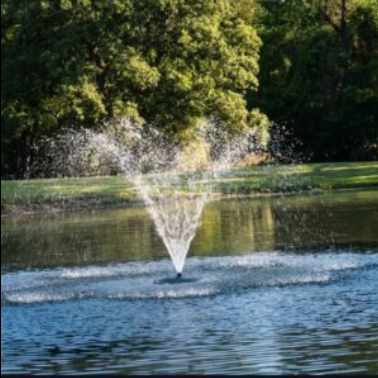
How a Floating Pond Fountain Improves Oxygen and Visual Appeal
Ponds can look still and lifeless without some movement on the surface. Beyond appearance, standing water often lacks oxygen, which affects fish, plants, and overall balance. Aeration is one of the most practical ways to address both concerns, and a floating pond fountain is a popular choice because it combines circulation with an attractive spray display. Understanding how these units work, which sizes suit different ponds, and what maintenance they need helps property owners make a sound decision. This guide explains the basics of floating fountains, compares plain and lighted options, and outlines key points to consider before installing one.
How a Floating Fountain Aerates a Pond
A floating fountain sits on the water surface and draws water from below through a pump, then sprays it into the air. As the droplets fall back, they absorb oxygen and mix with the water around them. This circulation helps reduce stagnant zones where oxygen can run low. Better oxygen levels and gentle movement create conditions that support fish, plants, and a more balanced pond ecosystem.
Ideal Settings for Floating Fountains
Floating fountains suit a wide range of water bodies. Farm ponds and private lakes benefit from aeration and circulation, while fisheries rely on healthy oxygen levels to support aquatic life. Landscaped ponds on residential and commercial grounds gain a visual centerpiece, and resorts and parks can use the spray display to create a welcoming atmosphere. Because they float, they do not require permanent construction in the pond, which makes them practical for owners who want flexibility.
Choosing the Right Size and Power
Fountain size depends on the pond’s surface area, depth, and the spray height you want. Units are commonly offered in three pump sizes: 1/3 horsepower at about 4,000 gallons per hour, 1/2 horsepower at about 5,300, and 3/4 horsepower at about 6,600. Smaller ponds generally suit the lower range, while larger water bodies benefit from more flow. When comparing a floating pond fountain for your property, also check the power requirements, since many models run on standard 120-volt power with a long electric cord, often around 100 feet, so placement away from the shore is possible.
Plain Versus Lighted Fountain Options
A plain unit focuses on aeration and daytime spray patterns, blends into the landscape, and generally needs less upkeep than one with added lighting. A lighted version adds LED lights, typically in white or color-changing modes, so the pond becomes a visual feature after sunset. Illumination also helps define the pond’s edges after dark, which can improve awareness around the water for guests and residents. If you want both function and ambiance, a lighted floating pond fountain gives day-to-night versatility, while a plain model suits owners who prefer simplicity.
Installation and Maintenance Basics
Installation is generally straightforward. Position the unit in the pond, secure it with mooring ropes, and connect the power supply. Look for a pump debris protection bag, which keeps leaves and debris away from the intake, and a set of interchangeable spray nozzles so you can change the pattern. Maintenance is modest: clean the debris bag periodically, check the nozzles, and inspect the unit each season. In freezing climates, removing the fountain for winter helps prevent equipment damage, although many models are built for all-weather use.
Conclusion
A well-chosen fountain can improve oxygen levels, support aquatic life, and turn a quiet pond into a focal point. Start by matching pump size to the pond’s surface area and depth, then decide whether daytime simplicity or nighttime display matters more. If you prefer evening visibility, consider water fountain lights in white or color-changing options to highlight spray patterns and define the pond’s edges. With simple installation and routine upkeep, the right setup can deliver reliable performance across the seasons.
Author

