



Everything about the PTFE Sticky Tape: Benefits and Buying Guide
Industrial and commercial applications demand materials that can withstand extreme conditions without breaking down. Among the most reliable solutions available today is PTFE sticky tape, a high-performance product used across manufacturing, food processing, packaging, and electronics industries. Its non-stick surface, heat resistance, and chemical inertness make it a go-to material for engineers and technicians who need dependable performance in demanding environments. Understanding what this tape is, how it works, and where it performs best helps buyers make informed decisions before committing to a purchase that directly impacts operational efficiency and equipment longevity.
What Is PTFE Sticky Tape?
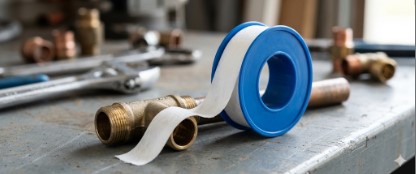
A PTFE sticky tape is a product made from polytetrafluoroethylene, the same material that gives non-stick cookware its slippery surface. The tape is manufactured by coating a PTFE film or woven glass fabric with an adhesive backing, most commonly acrylic-based, which allows it to bond securely to a variety of surfaces. PTFE itself is one of the most chemically resistant materials known, capable of withstanding temperatures ranging from -100°F to over 500°F. The adhesive backing adds practical versatility, making the tape easy to apply without additional fasteners or bonding agents.
Key Properties That Set PTFE Tape Apart
What makes PTFE sticky tape stand out from conventional industrial tapes is its combination of properties that few other materials can match simultaneously. It offers exceptional non-stick characteristics, meaning substances like adhesives, resins, and food products will not bond to its surface. It is highly resistant to moisture, most chemicals, and UV exposure. It maintains dimensional stability under both high heat and mechanical stress. Its low coefficient of friction also makes it ideal for surfaces where smooth, unimpeded movement is required during operation.
Common Industrial Applications
PTFE sticky tape sees widespread use across a broad range of industries. In packaging and heat sealing operations, it is applied to sealing bars and platens to prevent melted plastics and films from sticking during the sealing process. In the food industry, it lines conveyor belts, baking trays, and processing equipment where hygiene and non-stick performance are both critical. In electrical and electronics manufacturing, it serves as an insulating wrap for wiring and components. In the textile and printing industries, it protects rollers and guides from adhesive buildup that would otherwise cause costly production slowdowns.
Understanding Tape Specifications: Thickness, Width, and Length
Selecting the right tape requires understanding how its physical dimensions affect performance. Thickness, often measured in miles, determines how much mechanical wear the tape can absorb before it needs to be replaced. A 6 mil thickness, for example, offers a strong balance of flexibility and durability suited for high-contact industrial surfaces. Width selection depends on the surface area that needs coverage, while roll length determines how long a single roll will last in continuous-use settings.
The Role of Acrylic Adhesive Backing
The adhesive used on PTFE sticky tape plays a significant role in its overall performance. Acrylic adhesive is particularly well-suited for high-temperature environments because it maintains its bond strength even when exposed to sustained heat that would cause other adhesives to fail or migrate. It adheres firmly to metal, glass, and most rigid surfaces without leaving residue upon removal.
Conclusion
PTFE sticky tape is a remarkably versatile industrial material that delivers consistent performance in environments where heat, chemicals, and friction would quickly degrade lesser products. Whether used in food processing lines, packaging machinery, or electrical assemblies, its combination of non-stick properties, temperature resistance, and reliable adhesive backing makes it an indispensable solution across countless applications. Choosing the right specification for your operating conditions ensures maximum service life and efficiency. When sourcing this tape as part of a broader equipment maintenance or setup project, it is worth considering it alongside every other critical machine part in your system to ensure full compatibility and optimal operational performance.
Author

