



How to Choose 36 Inch Island Range Hoods
Island cooktops need effective ventilation because smoke, grease, steam, and cooking odours rise into open kitchen space without a wall behind them. Unlike wall-mounted ventilation, island hoods must capture air from all sides and move it upward through the ceiling or a recirculating system. For homeowners comparing 36 inch island range hoods, understanding sizing, airflow, ducting, noise, and installation helps make a better choice.
What Is an Island Range Hood?
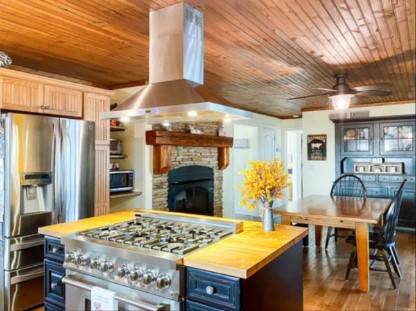
An island range hood is a ceiling-mounted ventilation unit installed above a kitchen island cooktop or range. It is designed to pull cooking fumes upward and away from the open cooking area. Since island kitchens often connect to dining or living spaces, proper ventilation can help keep the surrounding area more comfortable.
Home improvement guidance describes island range hoods as units attached to the ceiling above an island cooktop or stove that pull air upward and vent it through ceiling ducts. Many 36-inch island models are available as ducted or convertible systems, with airflow capacities that may range from around 290 CFM to 900 CFM depending on the product.
Why Size Matters?
The hood should usually be at least as wide as the cooktop, and in many cases slightly wider for better capture. A 36-inch hood is commonly matched with a 30-inch or 36-inch cooking surface, depending on the kitchen layout and cooking style. Because island hoods are exposed to cross-breezes from more directions, capture area is especially important.
When reviewing 36 inch island range hoods, buyers should check the hood width, depth, mounting height, and ceiling height compatibility. A hood that is too small or mounted too high may allow smoke and steam to escape into the room. A hood that is too large may overpower the visual balance of the kitchen.
Understanding CFM
CFM means cubic feet per minute, and it measures how much air the hood can move. Higher CFM can be useful for high-heat cooking, frequent frying, grilling, or gas ranges. However, more airflow is not always better if the ductwork is poorly planned or the hood becomes too loud for daily use.
Retail listings for 36-inch island hoods show a wide CFM range, including models from about 290 CFM up to 900 CFM. Some 36-inch island hoods are also listed with 750 CFM, 1100 CFM, or 1200 CFM options, showing how airflow can vary significantly by design. Buyers should match CFM to cooking habits, duct size, and local ventilation requirements.
Ducted vs Ductless
A ducted island range hood sends air outdoors through ductwork. This is usually preferred when possible because it removes smoke, grease, moisture, and odours from the home. A ductless or recirculating hood filters air and returns it to the kitchen, usually through charcoal filters.
Some 36-inch island hoods are available in ducted and convertible versions, giving homeowners flexibility based on kitchen structure. Installation guides note that vent systems should terminate outdoors except for nonvented recirculating installations. For best performance, duct runs should be planned carefully with as few bends as possible.
Installation Considerations
Island hoods require ceiling support, electrical access, and a clear route for ductwork if vented outdoors. Since the hood hangs above an island, alignment is important for both performance and appearance. The chimney height must also match the ceiling height so the hood sits at the correct distance above the cooking surface.
One 36-inch range hood dimension guide states that a 6-inch round vent system may be needed for certain installations and notes that flexible venting is not recommended. The same guide explains that venting may terminate through the roof or wall, with elbows adding equivalent length to the duct system. These details show why installation planning should happen before purchase.
Filters and Maintenance
Filters collect grease and particles created during cooking. Common filter types include mesh filters, baffle filters, and charcoal filters for recirculating setups. Metal filters are often washable, while charcoal filters usually need replacement.
Many 36-inch island hood listings include features such as removable grease filters, dishwasher-safe metal mesh filters, lights, and stainless steel finishes. Regular cleaning helps maintain airflow and reduces grease buildup. Homeowners should also wipe exterior surfaces, check fan performance, and replace filters according to the manufacturer’s instructions.
Style and Kitchen Design
Because an island hood is highly visible, design matters. Stainless steel is a common finish because it works with many appliance styles and is relatively easy to clean. Other finishes may include black stainless steel, copper, glass, or custom decorative designs.
Stainless steel is listed as the most common colour choice among 36-inch island range hoods, followed by black stainless steel and black. When choosing 36 inch island range hoods, homeowners should balance appearance with function. A beautiful hood still needs the right airflow, filter design, and installation setup.
Conclusion
Choosing the right island hood means looking beyond width alone. A properly selected 36 exhaust hood and range hood can help improve air quality, reduce cooking odours, and keep an open kitchen more comfortable. Homeowners should consider cooking habits, CFM, ducting, ceiling height, noise level, filter maintenance, and overall kitchen design.
Author

