




Guide: How Tapestry Manufacturers Shape Modern Interior Design
Interior design has evolved significantly over the years, blending traditional craftsmanship with modern aesthetics. Among the many decorative elements available today, tapestries have made a strong comeback as versatile and artistic additions to living spaces. From historical storytelling pieces to contemporary wall décor, tapestries offer both visual appeal and functional value. At the center of this craft are tapestry manufacturers, who play a vital role in transforming creative ideas into beautifully woven pieces that enhance interior environments.
The Evolution of Tapestry Craftsmanship
Tapestries have a rich history dating back centuries, originally used to insulate rooms and depict cultural narratives. Over time, advancements in weaving techniques and materials have allowed manufacturers to create more intricate and durable designs. Today, modern tapestry production combines traditional weaving methods with digital design tools, enabling greater customization and precision.
This evolution has made tapestries accessible to a wider audience, allowing homeowners, designers, and businesses to incorporate them into various design themes without compromising on quality or detail.
Role of Tapestry Manufacturers in Modern Design
The tapestry manufacturers are responsible for bringing artistic concepts to life through skilled craftsmanship and advanced production techniques. They work closely with designers, artists, and clients to ensure that each piece meets specific aesthetic and functional requirements.
Their role extends beyond simple production. Manufacturers carefully select materials, determine weaving methods, and ensure color accuracy to achieve the desired outcome. This attention to detail is essential for creating pieces that not only look visually appealing but also maintain their quality over time.
Materials and Techniques Used
Modern tapestries are crafted using a variety of materials, including cotton, wool, polyester, and blended fibers. The choice of material significantly impacts the texture, durability, and overall appearance of the final product.
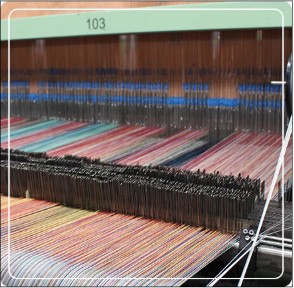
Weaving techniques also vary, ranging from handwoven methods to machine-assisted processes. Handwoven tapestries often emphasize craftsmanship and uniqueness, while machine-made options allow for faster production and consistent quality. These diverse techniques enable manufacturers to cater to different preferences and budgets.
Customization and Personal Expression
One of the most significant advantages of working with a tapestry maker is the ability to create personalized designs. Customization allows individuals to incorporate specific patterns, colors, or images that reflect their personal style or brand identity.
A custom made tapestry can serve as a focal point in a room, adding character and depth to the overall design. Whether it’s a large statement piece or a subtle decorative accent, customized tapestries provide a unique way to express creativity while enhancing interior spaces.
Applications in Interior Spaces
Tapestries are highly versatile and can be used in a variety of settings, including homes, offices, hotels, and commercial spaces. They can function as decorative wall hangings, room dividers, or even acoustic solutions that help reduce noise.
In residential spaces, tapestries add warmth and texture, making rooms feel more inviting. In commercial environments, they contribute to branding and ambiance, creating a visually cohesive atmosphere. Their adaptability makes them a valuable addition to both traditional and modern interiors.
Quality and Durability Considerations
When choosing a tapestry, quality and durability are key factors to consider. High-quality tapestries are designed to retain their color, shape, and texture over time, even with regular use.Manufacturers ensure durability by using strong fibers, precise weaving techniques, and proper finishing processes. Proper care, such as regular cleaning and avoiding prolonged exposure to direct sunlight, also helps maintain the longevity of the tapestry.
Conclusion
Tapestries continue to hold a unique place in interior design, blending artistry with functionality. With the expertise of tapestry manufacturers, these decorative pieces have evolved into versatile design elements that suit a wide range of spaces and styles. Working with a tapestry maker allows for greater customization and creativity, making it possible to design a truly unique custom made tapestry. As interior trends continue to evolve, incorporating wall tapestries ensures a timeless and visually engaging addition to any space.
Author

