





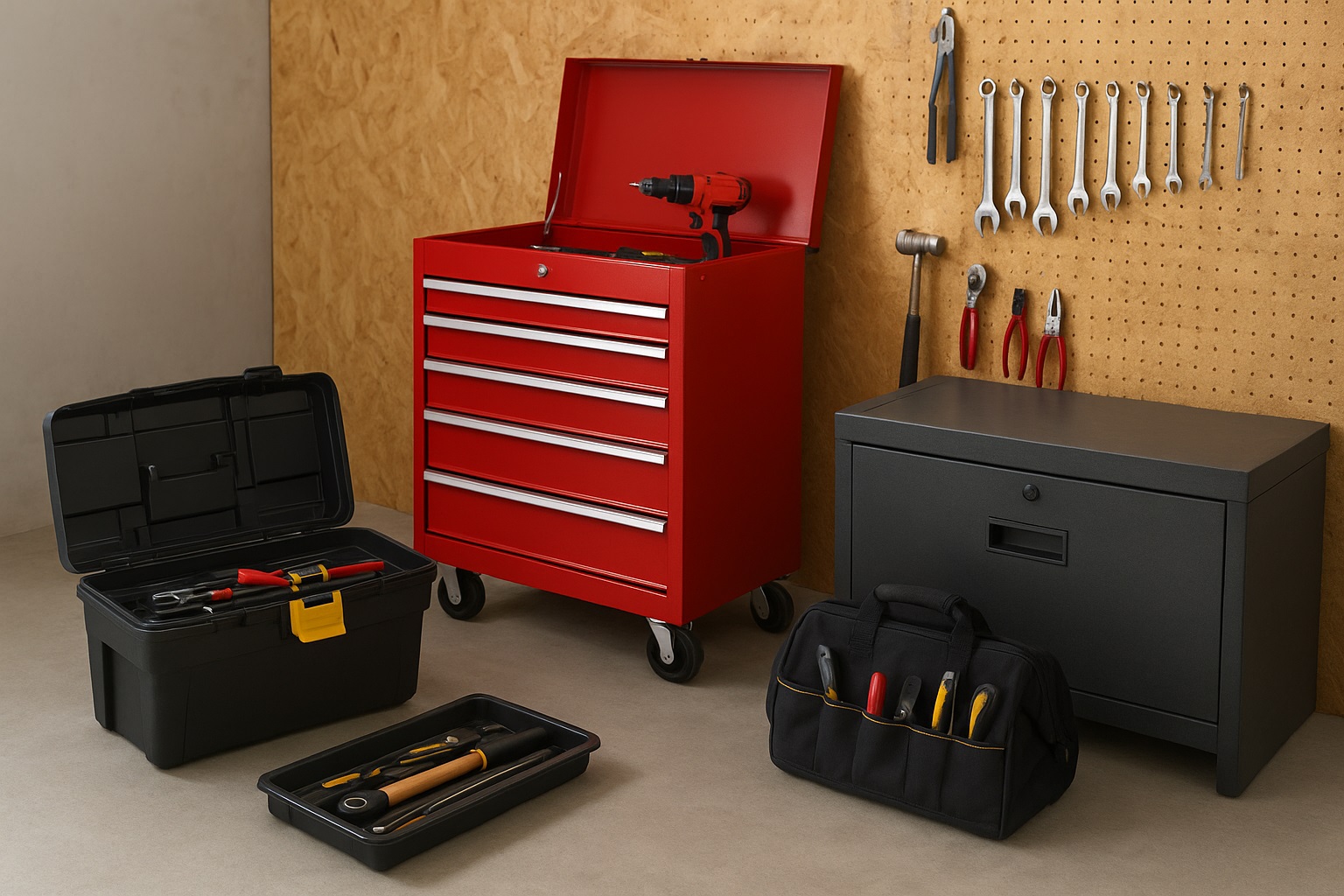
Tool Box Guide 2025: Types, Uses, Organization & Buying Tips
Whether you are a professional mechanic, a DIY enthusiast, or simply someone who wants to keep their household tools in one place, a tool box is an essential item. It provides organization, security, and convenience, making sure your tools are always available when you need them. From simple plastic tool boxes for basic home repairs to heavy-duty steel tool chests for industrial use, the variety is vast.
In this guide, we will cover everything you need to know about tool boxes, including types, materials, organization tips, buying considerations, and maintenance. By the end, you’ll be able to make an informed decision on the best tool box for your needs.
Contents
- What is a Tool Box?
- Types of Tool Boxes
- Materials Used in Tool Boxes
- Why You Need a Tool Box
- How to Choose the Right Tool Box
- Tool Box Organization Tips
- Maintenance of a Tool Box
- Tool Box vs. Tool Bag
- Popular Tool Box Brands
- Common Mistakes When Choosing a Tool Box
- Future of Tool Boxes: Smart Storage
- FAQs About Tool Boxes
- Conclusion
- Author
What is a Tool Box?
A tool box is a container designed to organize, store, and protect tools. Depending on the size and design, it can hold anything from small screwdrivers and pliers to large power tools. Some tool boxes are portable with handles or wheels, while others are stationary storage chests designed for workshops or garages.
Tool boxes are not just about storage; they help improve efficiency by reducing the time spent searching for tools and keeping them safe from damage or theft.
Types of Tool Boxes
Tool boxes come in many shapes and sizes. Below are the most common types:
1. Portable Tool Box
-
Small and lightweight, often made of plastic or metal.
-
Ideal for home use, small jobs, and quick repairs.
-
Typically has compartments, trays, or drawers for easy organization.
2. Rolling Tool Box
-
Larger, equipped with wheels and a telescopic handle for mobility.
-
Perfect for mechanics, electricians, and construction workers who need to move tools frequently.
3. Tool Chest / Cabinet
-
Heavy-duty and often found in workshops.
-
Features multiple drawers and large storage compartments.
-
Usually made of steel for durability.
4. Cantilever Tool Box
-
Opens with tiered trays for easy access to small tools and parts.
-
Popular among craftsmen who need to carry multiple small components.
5. Jobsite Tool Box
-
Rugged and secure, designed for construction sites.
-
Often lockable to prevent theft.
-
Made of heavy-duty steel or reinforced plastic.
6. Tool Bag
-
Made of fabric with multiple pockets.
-
Lightweight and easy to carry.
-
Great for electricians, plumbers, or technicians.
Materials Used in Tool Boxes
The material of a tool box determines its durability, weight, and cost. Here are the most common materials:
-
Plastic: Lightweight, affordable, resistant to rust, but less durable under heavy use.
-
Steel: Strong, durable, and secure. Ideal for heavy-duty use but can be heavy.
-
Aluminum: Lighter than steel, corrosion-resistant, and durable.
-
Wood: Traditional and stylish, often used for specialized or vintage tool boxes.
Why You Need a Tool Box
A tool box is more than just storage—it’s a productivity enhancer. Here’s why:
-
Organization: Keeps tools neatly arranged.
-
Safety: Prevents accidents by reducing clutter.
-
Portability: Easy to carry tools to different locations.
-
Tool Protection: Keeps tools safe from rust, damage, and loss.
-
Efficiency: Saves time by reducing tool search.
How to Choose the Right Tool Box
When selecting a tool box, consider the following factors:
1. Purpose
-
For household repairs, a simple portable box may be enough.
-
For professional use, choose a rolling or chest-style tool box.
2. Size and Capacity
-
Match the box to the number and size of your tools.
-
Consider future tool purchases as well.
3. Portability
-
If you move around often, lightweight or wheeled options are best.
4. Durability
-
Choose steel or heavy-duty plastic if tools are heavy or used daily.
5. Security
-
Lockable tool boxes are essential for job sites.
6. Budget
-
Prices range from $20 for basic plastic models to $1000+ for professional tool chests.
Tool Box Organization Tips
A cluttered tool box defeats its purpose. Follow these tips for efficient organization:
-
Sort Tools by Type – Keep screwdrivers, wrenches, and pliers together.
-
Use Foam Inserts – Cut slots to hold tools in place.
-
Label Drawers/Compartments – Speeds up tool retrieval.
-
Keep Frequently Used Tools Accessible – Store them in top trays or front drawers.
-
Maintain Regularly – Clean and reorganize every few months.
Maintenance of a Tool Box
Proper maintenance ensures your tool box lasts for years. Here’s how:
-
Clean Regularly: Remove dust, grease, and debris.
-
Lubricate Moving Parts: Keep hinges and wheels smooth.
-
Check for Rust: Apply rust prevention spray if needed.
-
Inspect Locks: Ensure locks and latches work properly.
-
Avoid Overloading: Prevent damage by respecting weight limits.
Tool Box vs. Tool Bag
| Feature | Tool Box | Tool Bag |
|---|---|---|
| Material | Metal, plastic, or wood | Fabric, nylon, or leather |
| Portability | Rigid, heavier | Lightweight, easy to carry |
| Capacity | Can store large tools | Better for small tools |
| Durability | More durable, long-lasting | Less durable under heavy loads |
| Use Case | Workshops, garages, job sites | Mobile professionals |
Popular Tool Box Brands
When it comes to tool boxes, some brands are known for reliability:
-
DeWalt – Durable, rugged, and professional-grade.
-
Craftsman – Affordable and reliable for homeowners and professionals.
-
Stanley – Known for portable and practical tool boxes.
-
Husky – Strong and durable, great for workshops.
-
Milwaukee – High-quality tool storage solutions.
Common Mistakes When Choosing a Tool Box
-
Buying Too Small – Outgrows quickly if you purchase more tools.
-
Ignoring Portability – Carrying a heavy steel box may be inconvenient.
-
Overlooking Security – Non-lockable boxes are risky for job sites.
-
Focusing Only on Price – Cheap boxes may break easily.
Future of Tool Boxes: Smart Storage
With technology advancing, smart tool storage is becoming popular. Features may include:
-
RFID tags for tool tracking.
-
GPS-enabled tool boxes to prevent theft.
-
Modular storage systems with customizable compartments.
-
Power outlets and USB ports built into tool chests.
FAQs About Tool Boxes
1. What is the best tool box for beginners?
A simple portable plastic tool box is great for beginners who only need basic tools for home repairs.
2. How much does a tool box cost?
Prices range from $20 to $1000+, depending on size, material, and brand.
3. Can I use a tool bag instead of a tool box?
Yes, but tool bags are better suited for lighter, smaller tools, while tool boxes are sturdier and hold larger tools.
4. What size tool box do I need?
It depends on your tool collection. A 16–20 inch box is fine for homeowners, while professionals may need larger chests.
5. How do I keep my tool box rust-free?
Keep it dry, clean regularly, and apply anti-rust sprays if made of metal.
Conclusion
A tool box is more than just a storage container—it is an investment in organization, safety, and efficiency. From small home projects to professional workshops, choosing the right tool box can make all the difference in how you manage your tools. By considering factors such as size, material, portability, and security, you can find the perfect tool box to meet your needs.
Author

