



Wexxar Bel: How Does Modern Case Sealing Equipment Work?
Wexxar Bel is associated with industrial packaging machinery used for case forming, carton sealing, and related end-of-line packaging operations. Its equipment includes semi-automatic and fully automatic systems designed to work with corrugated containers across different production environments. According to the manufacturer’s information, Wexxar Bel machinery has been used for case erecting, sealing, and tray forming applications since 1977.
Case sealing equipment is an important part of many packaging lines because it helps close cartons consistently before products move to storage, distribution, or shipping. Depending on the system, operators may manually position flaps or the equipment may automatically fold and seal them.
Understanding how these machines work can help businesses make better decisions about operation, maintenance, and component replacement.
What Does a Case Sealing Machine Do?
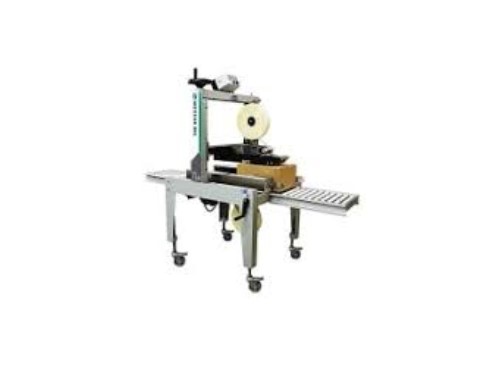
A case sealer closes corrugated cartons by folding their flaps and applying a sealing material, commonly pressure-sensitive tape or adhesive.
In a basic process, a carton enters the machine, is positioned by guides or conveyor belts, and passes through a sealing section. The machine then applies tape to the appropriate seam.
Automatic systems can perform additional steps, including folding the upper flaps before sealing. Fully automatic case sealers can therefore reduce manual handling and support higher-throughput production lines.
The exact operating process varies according to the machine model, carton dimensions, sealing method, and level of automation.
What Types of Case Sealers Are Available?
Packaging operations can choose between different levels of automation.
Semi-automatic case sealers generally require an operator to fold the top flaps before the carton enters the sealing section. They can be suitable for lower-speed applications, changing production requirements, or operations where manual product inspection remains part of the process.
Fully automatic systems can fold the top flaps and complete the sealing process with less operator intervention.
The appropriate option depends on production volume, carton consistency, available floor space, labour requirements, and the desired degree of automation.
How Do Automatic Flap-Folding Systems Work?
Automatic case sealers need to close the carton flaps before tape or adhesive can be applied.
Some systems use mechanical flap-folding mechanisms designed to bring the flaps into position as the carton travels through the machine.
The Snap Folder system used in certain equipment automatically folds the four top flaps and is designed to allow an open machine configuration without extensive guarding.
The mechanism must be synchronized with carton movement so that the flaps are properly positioned before sealing takes place.
Why Are Drive Belts Important?
Drive belts help transport cartons through the machine.
They need to maintain appropriate contact and synchronization so that boxes remain stable as they move through the sealing process. Poor belt condition or alignment can cause carton skew, inconsistent movement, or interruptions.
The BEL 250, for example, uses a Uni-Drive system designed to synchronize its side belts and reduce case skew during sealing.
Regular inspection of belts can identify cracking, contamination, wear, or tension problems before they cause more significant issues.
What Is the Role of the Tape Head?
The tape head applies and cuts the pressure-sensitive tape used to close the carton.
A typical tape head includes components responsible for guiding the tape, pressing it onto the carton, and cutting it at the appropriate point.
Tape-head condition can influence seal consistency.
Problems such as poor tape adhesion, irregular cutting, or uneven application may result from incorrect tape threading, worn components, unsuitable tape, or improper adjustment.
Maintenance personnel should therefore inspect the entire tape-head assembly when sealing quality changes.
How Important Is Carton Alignment?
Carton alignment is critical for consistent sealing.
If a box enters the machine at an incorrect angle or moves unevenly through the sealing section, the tape may not be centered properly over the carton seam.
Guides and drive systems help maintain the carton position.
Incorrect machine adjustments can become particularly noticeable when operators change from one carton size to another. Some systems use adjustable mechanisms and guides to accommodate different case dimensions.
Proper changeover procedures can help maintain consistent sealing quality.
What Carton Sizes Can Automatic Sealers Handle?
The usable carton range depends on the machine model.
For example, published specifications for the BEL 250 indicate that the equipment is designed for a defined range of case lengths, widths, and heights.
This illustrates why packaging machinery should be selected according to the actual cartons used in a facility.
Before installing equipment, businesses should consider:
- Minimum carton dimensions
- Maximum carton dimensions
- Carton weight
- Corrugated board type
- Flap configuration
- Production speed
- Tape requirements
Operating outside the recommended range can cause jams, poor sealing, or unnecessary mechanical stress.
What Are Common Signs of Case Sealer Problems?
Packaging equipment often provides warning signs before a complete failure.
Common symptoms include:
- Cartons becoming skewed
- Tape failing to adhere
- Tape being cut unevenly
- Flaps not folding correctly
- Drive belts slipping
- Unusual mechanical noise
- Repeated carton jams
- Inconsistent sealing
- Increased vibration
- Unexpected machine stoppages
These symptoms can have multiple causes.
For example, poor tape placement may result from a mechanical adjustment problem rather than a faulty tape head. Similarly, carton skew may originate from belt alignment, worn components, or incorrect setup.
Troubleshooting should therefore identify the underlying cause before replacement parts are ordered.
How Can Preventive Maintenance Improve Reliability?
Preventive maintenance involves inspecting and servicing machinery before components fail.
For case-sealing equipment, maintenance may include:
- Cleaning tape residue
- Inspecting belts
- Checking rollers
- Examining bearings
- Inspecting tape heads
- Checking fasteners
- Cleaning sensors
- Verifying alignment
- Checking pneumatic connections
- Reviewing electrical components
The maintenance interval should reflect operating conditions and equipment recommendations.
A machine running continuously at high production volume may require more frequent inspection than one used occasionally.
Why Are Sensors Used in Packaging Machinery?
Sensors allow automated equipment to detect the position or condition of cartons and machine components.
Depending on the design, sensors may help detect carton presence, position, movement, flap status, or other operating conditions.
A dirty, damaged, or misaligned sensor can cause unexpected machine behaviour.
For example, the equipment may fail to initiate a sealing cycle if it does not correctly detect an incoming carton.
Regular cleaning and inspection can help prevent sensor-related interruptions.
What Role Does Pneumatics Play?
Some automated packaging machines use compressed air to operate mechanical functions.
Pneumatic systems can power actuators and other mechanisms involved in carton handling and flap movement.
A pneumatic problem may be caused by insufficient pressure, leaks, damaged tubing, faulty valves, or worn components.
Maintenance personnel should check the system according to the machine’s specified pressure and maintenance requirements rather than adjusting pneumatic settings without understanding their effect on the equipment.
How Should Replacement Components Be Identified?
Replacement components should be selected using accurate technical information.
Useful identification details include:
- Machine model
- Serial number
- Original part number
- Component dimensions
- Material
- Electrical specifications
- Pneumatic specifications
- Installation location
- Operating requirements
A visual match is not sufficient because two components can look similar while having different dimensions or performance characteristics.
Technical manuals, diagrams, and equipment records can help maintenance teams verify compatibility before ordering.
Why Is Spare-Part Planning Important?
A packaging-line failure can interrupt production, so businesses may benefit from maintaining appropriate stocks of critical replacement components.
Not every component needs to be stored in large quantities. Priority should generally be given to parts that have high failure rates, long procurement times, or significant consequences if unavailable.
A spare-parts inventory can include frequently replaced wear components as well as critical components that could cause prolonged downtime if they fail.
Storage conditions should also be considered because certain mechanical, electrical, and pneumatic components can be affected by moisture, contamination, temperature, or improper packaging.
How Can Businesses Reduce Packaging Downtime?
Reducing downtime requires a combination of maintenance planning, operator training, equipment monitoring, and spare-component management.
Operators should understand the machine’s normal operating behaviour and report changes such as unusual sounds, carton skew, repeated jams, or poor tape application.
Maintenance teams can then investigate these symptoms before a minor problem becomes a major failure.
Keeping detailed maintenance records is also useful. Repeated failures of the same component may indicate a deeper issue involving alignment, loading, lubrication, adjustment, or operating conditions.
What Should You Consider When Selecting Packaging Machinery?
Choosing packaging machinery requires more than comparing purchase prices.
Businesses should evaluate:
- Required production speed
- Carton dimensions
- Carton variation
- Available floor space
- Level of automation
- Labour requirements
- Maintenance access
- Sealing method
- Utility requirements
- Spare-component availability
A compact machine may be particularly useful where floor space is limited. A fully automatic system may be more appropriate for higher-volume operations where reducing manual handling is important.
The equipment should ultimately match the production environment rather than simply offering the highest available level of automation.
How Does Machine Design Affect Maintenance?
Accessibility is an important consideration when evaluating industrial equipment.
An open machine design can make it easier for technicians to inspect components, change tape, clean the equipment, and troubleshoot problems.
The BEL 250, for example, is described as having an open design intended to provide access for maintenance and tape changes.
Easy access can reduce the time required for routine maintenance and potentially shorten production interruptions.
Conclusion
Wexxar Bel represents a category of industrial case-forming and case-sealing machinery designed to support different packaging-line requirements. Semi-automatic systems can assist operators with repetitive sealing tasks, while fully automatic equipment can handle additional carton-forming and sealing functions with less manual intervention. When sourcing packaging equipment and parts, businesses should verify machine models, specifications, dimensions, and operating requirements before purchasing replacement components. Maintaining appropriate spare parts and documenting recurring failures can also help reduce unplanned downtime.
Author

