




Floating Fountain for Pond: A Complete Buying Guide
Ponds require ongoing attention to stay clear, healthy, and free of stagnant water buildup. One of the most effective and low-maintenance solutions available to pond owners is a floating fountain for pond use, which combines aeration, visual appeal, and ease of installation in a single unit. Whether the pond is part of a backyard landscape, a golf course water feature, or a larger agricultural setup, understanding how these fountains function can help owners make a more informed purchase.
What Makes These Fountains Different
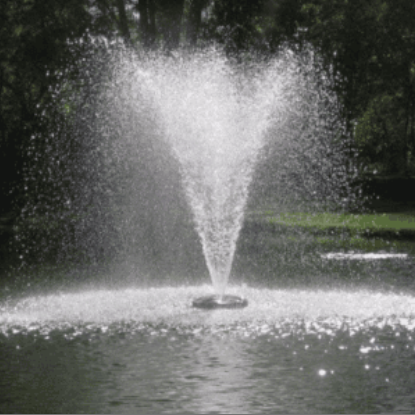
A floating fountain for pond application differs from traditional fixed fountains in one key way: it doesn’t require a permanent base, plumbing, or foundation work. Instead, the unit rests on a buoyant float directly on the water’s surface, held loosely in place by anchor lines to prevent excessive drifting. A submersible pump inside the float draws water up and pushes it out through a nozzle, creating a spray pattern above the surface. This design makes installation far simpler than in-ground alternatives and allows the fountain to be relocated within the pond if needed.
Why Aeration Matters
The primary functional benefit of a floating fountain for pond owners is improved water circulation. As water is sprayed into the air, it comes into contact with atmospheric oxygen before falling back down, which increases dissolved oxygen levels throughout the pond. This is particularly important during summer months, when warmer temperatures reduce the water’s natural oxygen-holding capacity and can stress fish populations. Additionally, moving water discourages mosquito breeding, since stagnant surfaces are the preferred environment for larvae development.
Algae Control and Water Clarity
Stagnant, nutrient-dense water is one of the leading causes of algae blooms in ponds. A well-placed floating fountain for pond maintenance helps reduce this risk by continuously circulating water and limiting the still conditions that algae need to thrive. While a fountain alone won’t eliminate an existing algae problem, consistent aeration and circulation make it significantly harder for algae to establish itself in the first place, reducing the need for chemical treatments over time.
Selecting the Right Size and Spray Pattern
Fountain sizing depends largely on pond volume and surface area. Underpowered units may fail to circulate the entire pond effectively, while oversized units can consume unnecessary energy without providing proportional benefits. Spray pattern is another factor worth considering; some fountains produce a single, tall plume, while others create wider, multi-tiered displays. The choice often comes down to personal preference, though larger ponds may benefit from patterns that distribute water across a broader surface area for more even circulation.
Enhancing the Display After Dark
Many pond owners choose to extend their fountain’s visual impact into the evening by adding pond fountain lights. These lighting kits, typically LED-based for energy efficiency, are installed at the base of the float and illuminate the spray from below. Some systems offer multiple color options or programmable settings, allowing the fountain to serve as a nighttime focal point in addition to its daytime function.
Maintenance Tips for Long-Term Performance
Keeping a fountain running smoothly requires periodic upkeep. Intake screens should be checked regularly for debris that could clog the pump, and the float itself should be inspected for algae accumulation, which can affect buoyancy over time. Anchor lines need occasional tightening, especially in ponds exposed to wind or fluctuating water levels. In regions with cold winters, many owners remove the fountain entirely to prevent ice from damaging the motor housing.
Conclusion
Investing in a pond fountain lights setup alongside a quality fountain adds both functional and aesthetic value to any water feature. Beyond the visual benefits, the underlying aeration and circulation these units provide play a meaningful role in maintaining a healthier pond ecosystem year-round. With the right size, spray pattern, and maintenance routine, a floating fountain can be a long-term asset for any pond owner.
Author

