




How Gyrotonic Classes Improve Mobility, Strength, and Posture
Modern fitness is increasingly focused on improving the way people move rather than simply increasing workout intensity. Many individuals are searching for exercise methods that support flexibility, posture, balance, and long-term physical wellness. Traditional strength training remains valuable, but movement-based practices that combine mobility and strength are becoming more popular among people who want a more balanced approach. Gyrotonic classes offer a unique training method that focuses on circular movements, spinal mobility, controlled breathing, and functional strength to help individuals develop better body awareness.
Unlike conventional workouts that often use repetitive or isolated movements, Gyrotonic training encourages the body to move through multiple directions. The method combines principles from yoga, dance, swimming, and gymnastics to create a flowing exercise system designed to improve coordination and mobility. Studios offering this type of training often focus on personalized instruction to help participants understand movement patterns and develop stronger physical foundations.
What Is Gyrotonic Training?
Gyrotonic is a movement system created by Juliu Horvath that emphasizes continuous motion, spinal articulation, and three-dimensional movement. The exercises are performed using specialized equipment that provides resistance while allowing smooth and controlled movements.
The goal of Gyrotonic training is not only to build strength but also to improve the relationship between flexibility, stability, and coordination.
The practice focuses on several key principles:
- Circular movement patterns
- Rhythm and flow
- Breath coordination
- Joint mobility
- Core engagement
- Postural awareness
These elements make Gyrotonic different from many traditional fitness approaches that primarily focus on lifting, pushing, or pulling movements.
How Gyrotonic Classes Work
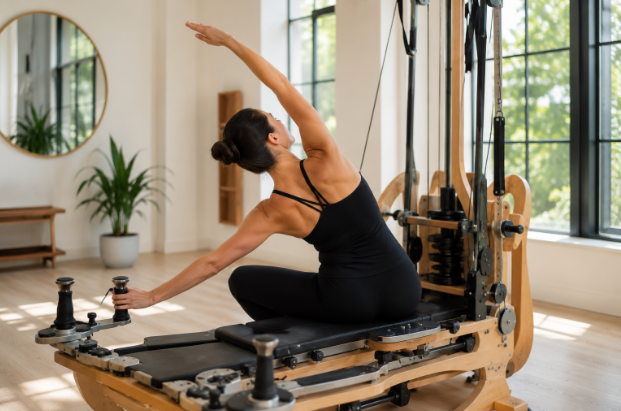
During a Gyrotonic session, participants perform exercises using specialized equipment such as pulley towers, handles, and resistance systems. The equipment allows the body to move smoothly while providing support and challenge.
A typical session may include:
Spinal Movement Exercises
Many exercises focus on moving the spine through different directions, including arching, curling, twisting, and side bending. These movements encourage flexibility and better awareness of spinal mobility.
Circular Strength Training
Instead of performing only straight-line movements, participants use circular patterns that engage multiple muscle groups simultaneously.
Breathing Techniques
Breathing is coordinated with movement to encourage relaxation, rhythm, and better body control.
This combination creates a workout experience that focuses on both physical strength and mindful movement.
Benefits of Practicing Gyrotonic Regularly
Consistent Gyrotonic practice can provide several benefits for people looking to improve movement quality.
Improved Flexibility and Range of Motion
One of the main advantages of Gyrotonic training is its focus on mobility. The circular movements encourage joints and muscles to move through a wider range of motion while maintaining control.
Improved flexibility can support:
- Easier daily movement
- Better posture
- Greater physical comfort
- Improved athletic performance
Rather than forcing stretches, Gyrotonic encourages active flexibility by combining movement with muscular engagement.
Enhanced Core Strength
The core plays a central role in balance, posture, and stability. Gyrotonic exercises engage deep muscles around the abdomen, back, and pelvis.
Developing core strength may help support:
- Better posture alignment
- Improved balance
- More efficient movement
- Increased body control
Because the exercises involve full-body coordination, participants develop strength that supports functional movement.
Better Posture and Body Awareness
Many people experience posture challenges due to long periods of sitting, computer use, or repetitive daily activities. Gyrotonic training encourages awareness of alignment and movement habits.
Participants learn to recognize:
- Shoulder positioning
- Spinal alignment
- Hip mobility
- Movement patterns
This increased awareness can help individuals make healthier movement choices in everyday life.
Who Can Benefit From Gyrotonic Training?
A common misconception is that Gyrotonic is only suitable for dancers or advanced athletes. In reality, the method can be adapted for many different fitness levels.
Athletes
Athletes may use Gyrotonic training to improve mobility, coordination, and recovery while supporting performance goals.
Beginners
People new to movement training can benefit from learning controlled exercises that build a strong foundation.
Older Adults
The low-impact nature of Gyrotonic makes it suitable for individuals who want to maintain flexibility, balance, and movement quality as they age.
Individuals Seeking Mindful Exercise
People who prefer a slower and more focused workout experience often appreciate the connection between breathing and movement.
Gyrotonic Equipment and Its Role
The specialized equipment used in Gyrotonic training is an important part of the method. Unlike standard gym machines that often guide the body through fixed paths, Gyrotonic equipment allows more natural and fluid movement.
Equipment can help participants:
- Explore greater movement ranges
- Build controlled resistance
- Improve coordination
- Support proper alignment
The design allows instructors to modify exercises based on each person’s abilities and goals.
Gyrotonic Compared With Pilates
Gyrotonic and Pilates are often compared because both focus on core strength, posture, and controlled movement. However, they have different approaches.
Pilates generally emphasizes:
- Core stabilization
- Controlled exercises
- Strength development
- Alignment
Gyrotonic focuses more on:
- Circular movement
- Spinal mobility
- Three-dimensional motion
- Continuous flow
Some individuals choose to combine both methods because they complement each other by supporting different aspects of movement and fitness.
Choosing the Right Gyrotonic Studio
Selecting the right studio can influence the quality of the training experience. Important factors to consider include:
Instructor Experience
Qualified instructors can provide guidance, corrections, and modifications to ensure exercises are performed safely.
Class Size
Smaller sessions often allow instructors to provide more personalized feedback.
Equipment Quality
Proper Gyrotonic equipment helps participants experience the full benefits of the movement system.
Overall Environment
A comfortable and supportive studio atmosphere can encourage consistency and long-term practice.
The Movement Temple offers Gyrotonic tower sessions alongside Pilates, Yoga Trapeze, Melt Method, and other movement-based wellness practices. The studio focuses on using movement as a tool for improving physical awareness and quality of life. (themovementtemple.com)
The Growing Interest in Movement-Based Fitness
The popularity of practices like Gyrotonic reflects a larger shift in the fitness industry. Many people are moving away from exercise routines focused only on appearance and looking for methods that improve how their bodies function.
Movement-based fitness focuses on:
- Long-term mobility
- Injury prevention
- Functional strength
- Better posture
- Mind-body connection
These principles make Gyrotonic appealing to people who want a sustainable approach to staying active.
Conclusion
Fitness continues to evolve as more people recognize the importance of mobility, flexibility, and functional movement. Gyrotonic classes provide a unique way to strengthen the body while improving posture, coordination, and overall movement awareness. For those exploring a comprehensive movement practice, The Movement Temple offers opportunities to experience Gyrotonic as part of a balanced approach to physical wellness. With controlled exercises, specialized equipment, and personalized guidance, Gyrotonic can support individuals looking to develop healthier movement habits.
Author

