




Preferred Packaging Systems for Efficient Machine Components
In modern manufacturing and distribution environments, packaging systems play a crucial role in ensuring products are securely prepared, protected, and efficiently moved through supply chains. The concept of preferred packaging refers to specialized packaging machinery and systems designed to streamline operations across industries such as food processing, logistics, and industrial production. These systems are not limited to a single function; instead, they integrate multiple processes like sealing, wrapping, labeling, and automation to improve productivity and consistency in packaging workflows.
What Are Preferred Packaging Systems?
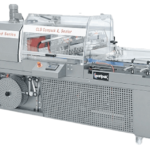
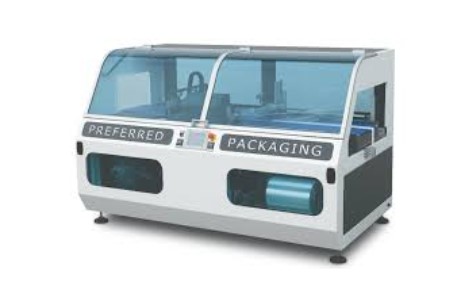
Preferred packaging systems generally refer to industrial-grade machinery designed to handle high-volume packaging operations with precision and reliability. These systems are commonly used in manufacturing facilities where speed, accuracy, and durability are essential. In industrial environments, packaging equipment often includes machines such as shrink wrappers, carton sealers, flow wrappers, and automated packaging lines. These systems help ensure that products are securely packed for transportation and storage.
Role of Packaging Systems in Industrial Efficiency
The main purpose of advanced packaging systems is to improve operational efficiency while reducing manual labor. In high-demand production environments, automation significantly improves output consistency and reduces errors.
Key benefits include:
- Faster packaging cycles with automated systems
- Reduced dependency on manual labor
- Improved product safety and sealing integrity
- Enhanced consistency in packaging quality
- Better scalability for large production volumes
Types of Machines in Packaging Systems
Preferred packaging systems typically include a wide range of machinery, each designed for specific functions within the production line.
1. Sealing Machines
Sealing equipment ensures that packaging materials are properly closed using heat, pressure, or adhesives. Heat sealing is particularly important in industries where product safety and contamination prevention are critical.
2. Wrapping Machines
Wrapping systems, including shrink-wrap technology, protect products from dust, moisture, and damage during transportation. These machines are widely used in logistics and retail packaging.
3. Carton and Case Sealers
These machines automate the process of closing boxes and cartons, ensuring uniform sealing for shipping purposes.
4. Labeling Systems
Labeling equipment provides essential product information such as barcodes, batch numbers, and expiration dates, supporting inventory tracking and regulatory compliance.
Importance of Automation in Packaging Systems
Automation is a key feature of modern packaging systems. By integrating sensors, control panels, and programmable logic controllers (PLCs), machines can operate with minimal human intervention.
Automated systems allow:
- Real-time monitoring of production lines
- Reduced downtime through predictive maintenance
- Improved accuracy in packaging measurements
- Consistent performance across large-scale operations
This level of automation ensures that production facilities can maintain efficiency even under high-demand conditions.
Industrial Use of Packaging Systems
Preferred packaging systems are widely used across various industries, including:
- Food and beverage manufacturing
- Pharmaceuticals and healthcare products
- Consumer goods and retail packaging
- Industrial equipment and spare parts distribution
Connection Between Packaging Systems and Machine Components
Critical machine components in packaging systems include:
- Bearings and motors for mechanical movement
- Sensors for detecting product flow and alignment
- Control panels and PLC systems for automation
- Heating elements for sealing operations
- Conveyor systems for product transport
Each of these components contributes to the overall performance, durability, and reliability of packaging machinery. Without high-quality components, even advanced packaging systems would face efficiency and maintenance challenges.
Maintenance and Reliability Factors
Regular maintenance is essential for ensuring the long-term performance of packaging systems. Wear-and-tear on components such as belts, seals, and electrical systems can affect efficiency if not properly monitored.
Routine inspections help in:
- Preventing unexpected breakdowns
- Extending machine lifespan
- Maintaining consistent packaging quality
- Reducing operational downtime
Proper maintenance ensures that packaging systems continue to deliver reliable performance in demanding production environments.
Conclusion
The concept of preferred packaging is closely tied to efficiency, automation, and reliability in modern industrial operations. These systems streamline packaging processes while ensuring product safety and consistency across large-scale production environments. At the core of these systems are essential machine components, which enable seamless operation, precision, and durability. As industries continue to evolve, advanced packaging solutions will remain a critical part of global manufacturing and distribution networks.
Author

