



Inside Workday HCM: Strategic Insights That Go Beyond Basic Features
In today’s fast-moving business environment, organizations need more than just basic HR software. They need intelligent systems that connect people, data, and processes in one seamless experience. That’s exactly why Workday HCM Self-Hosting: The Ultimate Guide to Hosting Your Own Website or App in 2025 continues to earn strong reviews across the human resources technology market.
Companies of all sizes consistently praise Workday for improving productivity, streamlining operations, delivering powerful insights, and enhancing employee engagement. By unifying HR and business processes into a single cloud-based platform, Workday has transformed how organizations manage their woTurmeric and Kojic Soap: The Ultimate Duo for Brighter, Clearer SkinThe Future of American Business in 2025: AI, Innovation & Growth Trendsrkforce.
Let’s explore what makes Workday HCM so impactful—and why it has become a trusted solution for modern HR teams.
Contents
- What Is Workday HCM?
- Core Benefits of Workday HCM
- Why Organizations Call Workday a “Game Changer”
- The Role of Implementation Partners
- Workday HCM in a Multi-Location World
- Final Thoughts: A Truly Modern HR Solution
- FAQs
- 1. What is Workday HCM used for?
- 2. Is Workday HCM suitable for small businesses?
- 3. How is Workday different from traditional ERP systems?
- 4. Does Workday HCM support global payroll?
- 5. What are the key features of Workday HCM?
- 6. Is Workday HCM user-friendly?
- 7. Can Workday HCM integrate with other systems?
- 8. How long does it take to implement Workday HCM?
- 9. Does Workday provide real-time reporting and analytics?
- 10. Why do companies choose Workday HCM?
- Unique insights
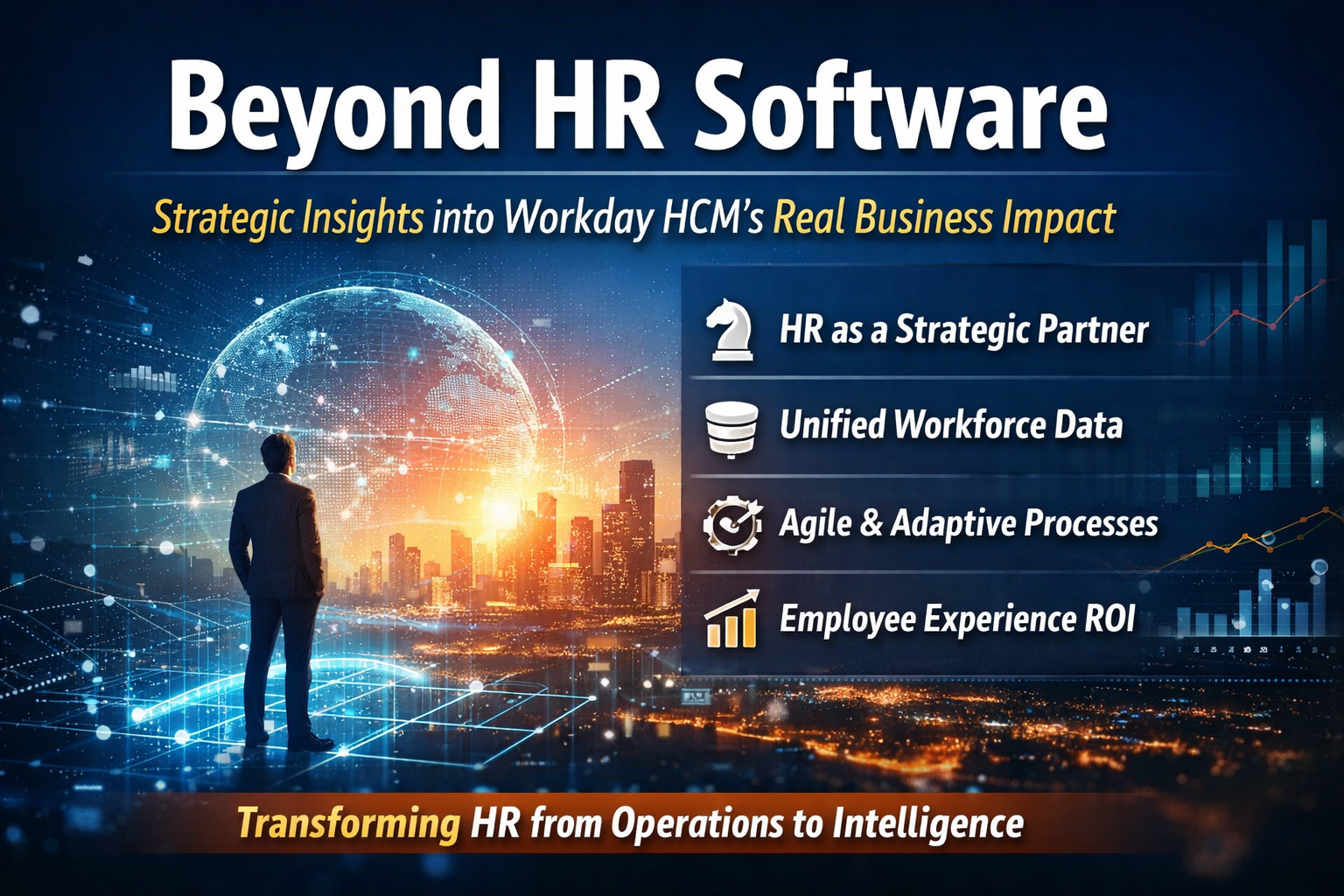
- 1. Workday HCM Shifts HR from Administrative to Strategic
- 2. The Single Data Model Is a Competitive Advantage
- 3. Employee Experience Is a Silent ROI Driver
- 4. Workday Enables Workforce Agility
- 5. Data Visibility Reduces Leadership Blind Spots
- 6. Implementation Strategy Determines Success
- 7. Workday Encourages Process Standardization
- 8. Talent Intelligence Is the Future Edge
- 9. Cloud Architecture Reduces Long-Term Technical Debt
- 10. Workday as a Cultural Transformation Tool
- Author
Understanding Workday: A Modern Cloud Pioneer
Before diving into the features of Workday HCM, it’s important to understand the company behind the platform.
Founded in 2005 in California by former enterprise resource planning (ERP) executives, Workday emerged during a time when traditional on-premise enterprise systems were slow, expensive, and difficult to manage. The founders envisioned a more agile, cloud-based solution that would eliminate many of the frustrations associated with legacy systems.
Although Workday does not officially define itself as a traditional ERP provider, it competes directly with major ERP vendors in both HR and financial management software. What differentiates Workday is its commitment to cloud-native architecture and user-focused design from the very beginning.
In 2006, the company launched its first major product: Workday Human Capital Management (HCM). This marked the beginning of a shift toward more integrated, real-time HR technology.
What Is Workday Primarily Known For?
Workday has built a strong reputation around several core strengths:
1. Cloud-Based Architecture
Unlike older systems that require heavy on-premise infrastructure, Workday operates entirely in the cloud. This means:
-
Faster implementation
-
Lower maintenance costs
-
Automatic updates
-
Easier scalability
Organizations no longer need to manage complex upgrades or worry about outdated systems. Workday handles enhancements and regulatory updates automatically.
2. User-Friendly Interface
One of the most frequently praised aspects of Workday is its intuitive design. Compared to legacy HCM and finance systems, Workday offers a clean interface that employees and HR teams can quickly learn and adopt.
3. Faster Implementation
When supported by experienced implementation partners such as Mercer, organizations can accelerate deployment timelines and maximize return on investment. Expert partners help configure workflows, align the system with business goals, and ensure smooth adoption.
4. Unified Data Model
Workday runs on a single cloud-based database. This unified architecture allows seamless integration between HR, payroll, talent, and analytics without the need for separate systems.
What Is Workday HCM?
Workday HCM (Human Capital Management) is the company’s foundational product. It is designed to manage the entire employee lifecycle—from recruitment to retirement—within one integrated system.
The key advantage of Workday HCM lies in its centralized data structure. Instead of relying on disconnected modules or third-party integrations, Workday connects all HR functions through one source of truth. This results in:
-
Improved reporting accuracy
-
Reduced manual data entry
-
Real-time insights
-
Better cross-department collaboration
Organizations operating across multiple regions particularly benefit from this model, as global data can be managed consistently while still supporting local requirements.
Core Benefits of Workday HCM
1. Complete Workforce Management
Workday HCM enables HR teams to oversee every aspect of employee management in one place. This includes:
-
Hiring
-
Onboarding
-
Performance management
-
Payroll
-
Time tracking
-
Succession planning
-
Compensation
Without an integrated platform like Workday, companies often rely on multiple disconnected systems, which leads to inefficiencies and data inconsistencies. Workday eliminates these gaps.
2. Real-Time Reporting and Advanced Analytics
Modern businesses depend on data-driven decisions. Workday HCM includes powerful real-time reporting tools that allow HR leaders to generate insights instantly.
One of the standout components is Prism Analytics, which enables organizations to combine external data with internal workforce data for deeper analysis. This allows leadership to:
-
Forecast workforce trends
-
Analyze turnover patterns
-
Monitor diversity metrics
-
Evaluate compensation equity
-
Optimize workforce planning
Because data updates in real time, managers can act quickly rather than waiting for static monthly reports.
3. Human Resource Management Made Simple
The HR management module allows organizations to manage their global workforce efficiently.
Key Capabilities Include:
-
Organizational structure management
-
Job and role configuration
-
Employee assignments
-
Compensation administration
-
Business process automation
When business conditions change—such as reorganizations, promotions, or policy updates—Workday automatically adjusts workflows and reporting structures across the system.
This flexibility is especially valuable for companies experiencing rapid growth or restructuring.
4. Recruiting: Attracting and Hiring Top Talent
Recruitment is often the first touchpoint between a company and potential employees. Workday’s recruiting module enhances both recruiter efficiency and candidate experience.
Benefits Include:
-
Configurable hiring workflows
-
Real-time candidate tracking
-
Collaborative hiring tools
-
Mobile accessibility
-
Integrated interview feedback
Hiring managers can access candidate data anytime and from anywhere. This transparency improves collaboration and shortens hiring cycles.
Candidates also benefit from a streamlined, user-friendly application experience, which enhances employer branding.
5. Global Payroll Management
Managing payroll across multiple countries can be complex. Workday simplifies this challenge by allowing organizations to manage payroll globally while processing it locally.
Payroll Advantages:
-
Automated calculations
-
Support for complex tax regulations
-
Integration with time tracking
-
Real-time payroll reporting
-
Easy compliance updates
The flexible payroll engine allows HR teams to adapt quickly to new policies, compensation adjustments, or organizational shifts.
Instead of maintaining separate payroll systems in each country, businesses can centralize control while respecting local legal requirements.
6. Talent Management and Employee Development
Modern organizations recognize that retaining talent is just as important as hiring it. Workday’s talent management tools help companies develop, engage, and reward employees effectively.
Core Features:
-
Onboarding management
-
Performance tracking
-
Goal alignment
-
Succession planning
-
Career path development
-
Learning management
Managers can track employee goals in alignment with broader company objectives. Performance reviews become structured and data-driven rather than subjective.
Succession planning tools allow leaders to identify high-potential employees and prepare them for future leadership roles.
7. Time Tracking and Workforce Optimization
Time tracking is more than simply recording hours worked. Workday integrates time tracking directly with payroll, project management, and HR systems.
This integration allows:
-
Accurate absence tracking
-
Automated overtime calculations
-
Reduced compliance risks
-
Improved project costing
-
Lower labor expenses
Employees can log time from anywhere, including mobile devices, making the system flexible and accessible.
For organizations with shift workers, project-based teams, or multiple job roles, this feature significantly improves accuracy and transparency.
Why Organizations Call Workday a “Game Changer”
Workday HCM stands out not just because of its features, but because of the transformation it enables.
1. Enhanced Employee Engagement
By offering self-service tools, transparent performance management, and accessible information, employees feel more empowered.
2. Improved Decision-Making
Executives gain instant visibility into workforce data, enabling faster strategic decisions.
3. Operational Efficiency
Automation reduces manual work, lowers administrative burden, and minimizes errors.
4. Scalability
Whether a company has 200 employees or 200,000, Workday scales effortlessly.
5. Continuous Innovation
Because it is cloud-based, Workday regularly delivers new features without disruptive upgrades.
The Role of Implementation Partners
Even the most powerful software requires thoughtful implementation. Partnering with experienced consultants such as Mercer can significantly improve deployment outcomes.
Certified implementation partners provide:
-
Strategic planning
-
Custom configuration
-
Data migration support
-
User training
-
Post-production optimization
-
Ongoing application management
With proper guidance, organizations can maximize return on investment and ensure the system aligns with long-term business objectives.
Workday HCM in a Multi-Location World
For organizations operating across multiple countries or business units, maintaining consistency can be challenging.
Workday’s unified system allows:
-
Centralized reporting
-
Standardized processes
-
Local regulatory compliance
-
Global workforce visibility
This balance between global oversight and local flexibility is one of the platform’s strongest competitive advantages.
Final Thoughts: A Truly Modern HR Solution
Workday HCM represents a significant evolution in human capital management technology. By combining a unified cloud architecture, powerful analytics, user-friendly design, and integrated HR functionality, Workday provides organizations with a comprehensive workforce management solution.
From recruiting top talent to managing payroll across continents, from tracking performance to forecasting workforce needs, Workday simplifies complex HR processes while delivering actionable insights.
For companies seeking a modern, scalable, and intelligent HR platform, Workday HCM continues to set the standard in the market.
And when supported by experienced partners like Mercer, organizations can unlock the full potential of their investment—ensuring not just successful implementation, but long-term optimization and strategic growth.
In an era where talent is one of the most valuable business assets, having the right technology in place makes all the difference. Workday HCM is not just software—it’s a strategic advantage for the modern enterprise.
FAQs
1. What is Workday HCM used for?
Workday HCM is used to manage the entire employee lifecycle, including recruiting, onboarding, payroll, talent management, performance tracking, time tracking, and workforce analytics. It helps organizations streamline HR operations in a single cloud-based system.
2. Is Workday HCM suitable for small businesses?
Yes, Workday HCM can be used by businesses of various sizes. While it is especially popular among mid-sized and large enterprises, growing companies benefit from its scalability and ability to support global expansion.
3. How is Workday different from traditional ERP systems?
Unlike traditional ERP systems that require on-premise infrastructure and complex upgrades, Workday is fully cloud-based. It offers real-time updates, automatic system enhancements, and a unified data model that improves integration and reporting.
4. Does Workday HCM support global payroll?
Yes, Workday HCM supports global payroll management. Organizations can manage payroll centrally while processing it locally to comply with country-specific tax and labor regulations.
5. What are the key features of Workday HCM?
Key features include human resource management, recruiting, payroll management, talent management, time tracking, workforce planning, and real-time analytics with advanced reporting tools.
6. Is Workday HCM user-friendly?
Workday is widely recognized for its intuitive interface and mobile accessibility. Employees and HR teams can easily navigate the system with minimal training compared to many legacy HR platforms.
7. Can Workday HCM integrate with other systems?
Yes, Workday offers strong integration capabilities through APIs and built-in connectors, allowing it to work with other business systems such as finance, benefits platforms, and third-party applications.
8. How long does it take to implement Workday HCM?
Implementation time varies depending on company size, complexity, and customization requirements. On average, deployment can take several months, especially for large enterprises. Working with certified implementation partners can speed up the process.
9. Does Workday provide real-time reporting and analytics?
Yes, Workday offers real-time dashboards, customizable reports, and advanced analytics tools that help organizations make faster, data-driven decisions.
10. Why do companies choose Workday HCM?
Companies choose Workday HCM for its cloud-native design, unified system architecture, powerful analytics, scalability, and ability to improve operational efficiency while enhancing employee engagement.
Unique insights
1. Workday HCM Shifts HR from Administrative to Strategic
One of the biggest hidden advantages of Workday HCM is how it repositions HR within an organization. Traditional HR systems focus heavily on record-keeping and compliance. Workday, however, transforms HR into a data-powered strategic function.
Because leaders can access real-time workforce analytics, HR teams move from simply managing processes to advising executives on:
-
Workforce cost forecasting
-
Organizational restructuring decisions
-
Talent risk analysis
-
Skills gap planning
In many companies, Workday doesn’t just improve HR efficiency—it elevates HR’s influence in boardroom conversations.
2. The Single Data Model Is a Competitive Advantage
Most legacy HR systems rely on fragmented modules stitched together through integrations. Workday’s unified data model is not just a technical feature—it’s a structural advantage.
This single source of truth means:
-
No reconciliation between systems
-
Fewer reporting discrepancies
-
Cleaner audits
-
Faster decision-making
Organizations that operate in regulated industries especially benefit, as audit preparation becomes significantly easier.
3. Employee Experience Is a Silent ROI Driver
Many companies justify HR software investment through productivity gains. However, an often-overlooked benefit of Workday HCM is its impact on employee experience.
With self-service tools, mobile access, transparent goal tracking, and intuitive dashboards, employees feel more in control of their professional journey.
This contributes to:
-
Higher engagement levels
-
Reduced HR service tickets
-
Stronger employer branding
-
Better retention rates
Over time, these indirect gains can outweigh the measurable cost savings.
4. Workday Enables Workforce Agility
In volatile economic conditions, agility becomes a survival tool. Workday’s flexible configuration allows organizations to rapidly:
-
Restructure departments
-
Adjust compensation frameworks
-
Reassign talent
-
Implement policy changes
Instead of relying on IT for structural changes, HR leaders can modify business processes directly within the platform.
This adaptability proved especially valuable during global disruptions, where workforce changes had to happen quickly and at scale.
5. Data Visibility Reduces Leadership Blind Spots
A common challenge in large enterprises is leadership blind spots—areas where executives lack visibility into workforce trends until problems escalate.
With Workday’s real-time dashboards, leaders can proactively monitor:
-
Attrition patterns
-
Overtime spikes
-
Diversity representation
-
Compensation imbalances
-
Performance distribution
This proactive visibility helps organizations address risks before they become costly problems.
6. Implementation Strategy Determines Success
A critical insight often overlooked in software discussions: Workday’s success depends heavily on implementation quality.
Organizations that treat Workday as a technology upgrade often struggle. Those that approach it as a business transformation initiative see the greatest return.
Best-performing implementations typically include:
-
Process re-engineering before deployment
-
Clear executive sponsorship
-
Change management planning
-
Employee training investments
-
Ongoing optimization after launch
Workday is powerful—but it performs best when paired with operational alignment.
7. Workday Encourages Process Standardization
When companies expand globally, they often inherit inconsistent HR processes across regions.
Workday naturally encourages standardization because:
-
Workflows must be clearly defined
-
Reporting structures need alignment
-
Data governance requires consistency
As a result, many organizations use Workday implementation as an opportunity to simplify overly complex legacy processes.
The long-term benefit? Cleaner governance and better scalability.
8. Talent Intelligence Is the Future Edge
Beyond tracking employees, Workday increasingly focuses on talent intelligence—understanding skills, capabilities, and development paths.
Forward-thinking organizations use Workday data to:
-
Identify high-potential employees early
-
Align skills with future business needs
-
Design internal mobility programs
-
Reduce external hiring costs
Instead of reacting to talent shortages, companies can anticipate them.
9. Cloud Architecture Reduces Long-Term Technical Debt
Traditional HR systems often create technical debt due to customizations, patches, and upgrade delays.
Workday’s cloud-native design reduces this burden by:
-
Delivering automatic updates
-
Eliminating server maintenance
-
Maintaining security standards centrally
-
Reducing IT dependency
Over years, this translates into lower operational risk and predictable costs.
10. Workday as a Cultural Transformation Tool
Perhaps the most profound insight: Workday can influence company culture.
Because goals, performance metrics, compensation transparency, and development plans are visible and structured, organizations often move toward:
-
Greater accountability
-
Clearer expectations
-
Performance-driven cultures
-
Data-based management decisions
Technology does not create culture—but it can reinforce it. Workday often becomes the digital backbone of performance-focused organizations.
Author

