





Why a Floral Tapestry Is Making a Strong Comeback in Home Decor?
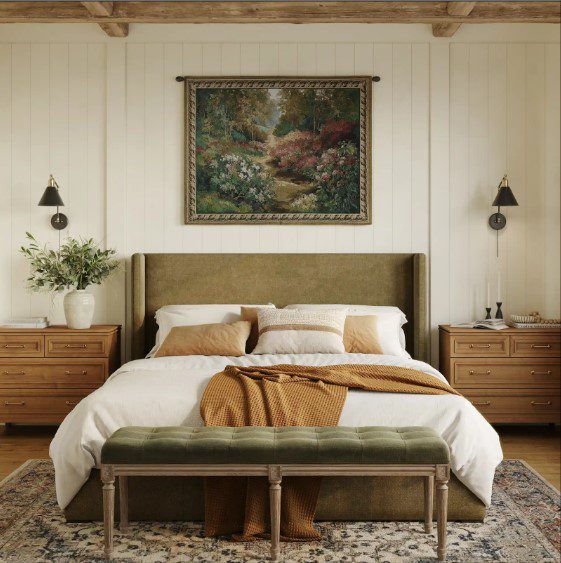
Home decor trends often move in cycles, and one classic element that is clearly returning is the floral tapestry. In the middle of modern interior styling conversations, designers and homeowners are rediscovering how textile wall art can soften spaces, add narrative depth, and introduce color without overwhelming a room. This renewed interest reflects a broader desire for warmth, craftsmanship, and expressive decor that feels personal rather than mass-produced.
Contents
The Emotional Appeal Of Textile-Based Decor
Fabric wall hangings create a sensory experience that painted or printed art often cannot replicate. A floral tapestry introduces texture, movement, and visual softness that helps interiors feel more inviting. Unlike framed artwork, textiles absorb sound and reduce visual harshness, making them ideal for living rooms and bedrooms.
This emotional comfort is a major reason tapestries are reappearing in contemporary homes. As minimalism evolves, people are layering warmth back into their spaces, and tapestry floral designs fit naturally into this shift.
Bridging Traditional Craft And Modern Design
One reason a floral tapestry feels fresh again is its ability to bridge old-world craftsmanship with modern aesthetics. Traditional weaving techniques paired with updated color palettes allow tapestries to blend seamlessly into both classic and contemporary interiors.
Modern tapestries no longer feel heavy or outdated. Instead, lighter fabrics and refined floral patterns give them a clean, artistic presence. This balance helps tapestries complement modern furniture while still honoring historical textile traditions.
Versatility Across Interior Styles
A floral tapestry works across a surprising range of decor styles. In bohemian spaces, it adds richness and layered storytelling. In modern homes, it becomes a statement piece that softens clean lines. Even in rustic or cottage-inspired interiors, tapestries provide visual continuity and charm.
Because tapestries come in varied sizes and patterns, they can serve as focal points or subtle accents. Designers often use tapestry floral elements to anchor neutral rooms or to introduce seasonal color changes without permanent alterations.
Sustainable And Thoughtful Decorating Choices
Sustainability plays a growing role in home decor decisions, and a floral tapestry aligns well with this mindset. Many tapestries are crafted using durable materials meant to last for years, reducing the need for frequent replacements.
Textile decor also supports slower consumption habits. Instead of following fast decor trends, homeowners invest in meaningful pieces that can be repurposed or moved between spaces. This long-term value is contributing to the renewed popularity of tapestries as intentional design elements.
Storytelling Through Patterns And Motifs
Decor today is about more than aesthetics; it is about storytelling. A floral tapestry often carries symbolic meaning through its patterns, colors, and composition. Floral imagery has long represented growth, harmony, and connection to nature, making it emotionally resonant.
Historically inspired tapestries often depict narratives, while modern designs focus on abstract florals or simplified botanical forms. This storytelling quality gives tapestries depth that mass-produced wall art often lacks, making them conversation starters within a home.
Easy Styling And Flexible Placement
Another reason a floral tapestry is resurging is its styling flexibility. Tapestries can be hung on walls, draped over furniture, or even used as room dividers. This adaptability allows homeowners to refresh spaces without major renovations.
Unlike framed art, tapestries are lightweight and easy to reposition. This makes them ideal for renters or those who enjoy frequently updating their interiors. Their versatility reinforces why tapestries continue to appeal to design-conscious homeowners.
A Return To Artistic Expression In Decor
As homes increasingly double as personal sanctuaries, decor choices are becoming more expressive. A floral tapestry allows individuals to showcase personality, heritage, and artistic taste in a way that feels authentic.
The resurgence of tapestries reflects a broader movement toward handcrafted, meaningful decor. By blending artistry with function, tapestries offer a timeless alternative to trend-driven wall treatments.
Conclusion
The comeback of floral wall textiles highlights a shift toward warmth, storytelling, and sustainable design in modern interiors. As interest grows in historically inspired pieces such as the medieval unicorn tapestry, tapestries continue to bridge past and present, offering homeowners a rich, expressive way to elevate their living spaces through timeless textile art.
