




Rubber Abrasive Wheel: Uses, Types, and Industrial Applications
In modern manufacturing and industrial processes, precision and efficiency are essential for achieving high-quality results. Grinding and finishing operations play a crucial role in shaping materials and ensuring smooth surfaces. Among the various tools used in these processes, the rubber abrasive wheel stands out for its flexibility, controlled cutting action, and ability to produce consistent finishes.
These wheels are widely used in industries dealing with rubber, metal, and composite materials, offering a balance between material removal and surface quality. Understanding how they work and where they are applied can help industries optimize performance and reduce operational costs.
What is a Rubber Abrasive Wheel
A rubber abrasive wheel is a type of grinding tool in which abrasive particles are bonded together using a rubber matrix. Unlike rigid grinding wheels, this structure allows the tool to adapt to the surface of the material being processed.
The abrasive grains—commonly silicon carbide or aluminum oxide—are embedded in the rubber bond, enabling controlled cutting and polishing.
Additionally, rubber-bonded grinding tools can absorb vibrations and reduce surface damage, making them suitable for precision applications.
How Rubber Abrasive Wheels Work
Rubber abrasive wheels operate by combining abrasive action with flexibility. As the wheel rotates at high speed, the abrasive grains remove material from the surface. Unlike traditional rigid wheels, the rubber bond allows the tool to conform to irregular shapes and contours.
This flexibility helps:
- Reduce friction and heat generation
- Prevent clogging during grinding
- Achieve smoother surface finishes
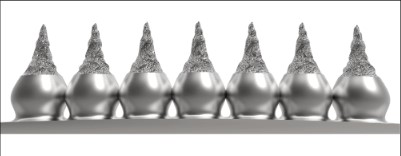
In advanced applications, some wheels use cutting structures like tungsten-carbide teeth to mechanically cut elastomers instead of relying solely on friction.
Types of Rubber Abrasive Wheels
Rubber-Bonded Grinding Wheels
These abrasive rubber tool wheels are commonly used for finishing and polishing operations. Their flexibility makes them ideal for delicate surfaces where precision is required.
Roll Grinding Wheels
Roll grinding wheels are used in industrial applications to grind cylindrical rolls made of rubber, metal, or composite materials. They are essential in industries such as paper, steel, and textile manufacturing.
Regulating Wheels
These are used in centerless grinding processes to control the movement and rotation of the workpiece. Rubber-bonded regulating wheels provide consistent grip and stability during machining.
Specialty Grinding Wheels
Specialized wheels are designed for tasks such as grooving, shaping, or finishing complex surfaces. These tools are tailored to specific industrial requirements.
Key Advantages of Rubber Abrasive Wheels
Flexibility and Precision
The rubber bond allows the wheel to adapt to the workpiece, ensuring even material removal and smooth finishes.
Reduced Heat Generation
Compared to traditional grinding methods, rubber abrasive wheels generate less heat, minimizing the risk of damage to sensitive materials.
Improved Surface Finish
These wheels provide a polished and consistent surface, making them suitable for finishing operations.
Longer Tool Life
Advanced designs, especially those incorporating carbide elements, can last longer than conventional abrasive wheels, reducing downtime and maintenance costs.
Industrial Applications
Rubber and Elastomer Processing
Rubber abrasive wheels and carbide grinding wheels are widely used for grinding and shaping rubber components such as rollers, seals, and belts.
Metal Finishing
They are also used in metalworking for polishing, deburring, and finishing surfaces without causing excessive wear.
Automotive Industry
In automotive manufacturing and repair, these wheels are used for tasks such as surface preparation and finishing components.
Manufacturing and Engineering
Industries such as aerospace, construction, and heavy machinery rely on grinding wheels for precision machining and surface treatment.
Challenges in Rubber Grinding
Grinding rubber materials presents unique challenges due to their softness and tendency to generate heat. Excessive friction can lead to wheel clogging or damage, especially when using conventional grinding wheels.
Rubber abrasive wheels address these challenges by offering better chip flow, reduced heat, and improved control during grinding operations.
Choosing the Right Rubber Abrasive Wheel
When selecting a rubber abrasive wheel, several factors should be considered:
- Material type and hardness
- Required surface finish
- Wheel grit and bond type
- Operating speed and machine compatibility
Choosing the correct wheel ensures optimal performance and extends tool life.
Conclusion
Rubber abrasive wheels are essential tools in modern manufacturing, offering a unique combination of flexibility, efficiency, and precision. Their ability to deliver smooth finishes while minimizing heat and wear makes them ideal for a wide range of industrial applications. Understanding related tools, such as tire patch preparation tools, helps provide a broader perspective on how abrasive technologies contribute to efficient and high-quality industrial operations. As industries continue to demand higher accuracy and productivity, these tools will remain a key component in grinding and finishing processes.
Author

