





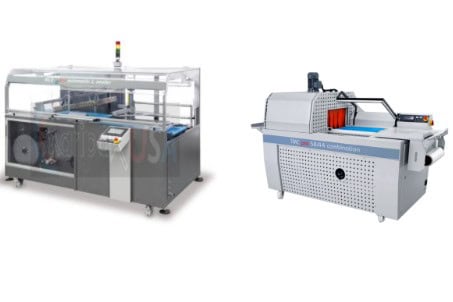
Why Food and Beverage Industries Rely on Automatic Shrink Packing Machines
In the competitive food and beverage sector, efficiency, product safety, and presentation are crucial to maintaining consumer trust and maximizing profits. An automatic shrink packing machine has become a vital tool for manufacturers to meet these demands. By automating the packaging process, these machines ensure consistent, high-quality packaging while reducing labor costs and minimizing errors. Understanding the reasons behind their widespread adoption provides insight into why the food and beverage industry continues to rely on this technology.
Contents
Enhanced Product Protection and Shelf Life
One of the primary benefits of using an automatic shrink packing machine is the enhanced protection it offers to food and beverage products. Shrink wrapping forms a tight seal around items, safeguarding them from moisture, dust, and external contaminants. This protective layer also helps extend the shelf life of perishable goods by maintaining freshness and preventing exposure to air or bacteria. For beverage bottles, snack packs, and ready-to-eat meals, such protection is essential to ensure products reach consumers in optimal condition.
Increased Operational Efficiency
Food and beverage manufacturers often face tight production schedules and high-volume demands. An automatic shrink packing machine streamlines the packaging process by automating repetitive tasks such as product alignment, film wrapping, and heat sealing.
Consistent Packaging Quality
Consistency in product packaging is critical for brand image and consumer satisfaction. Using an automatic shrink packing machine, manufacturers achieve uniform wrapping, precise sealing, and clean presentation for every unit. This uniformity reduces the likelihood of packaging defects, such as loose wraps, wrinkles, or incomplete seals, which can negatively impact product perception. Consistent packaging also ensures compliance with labeling and regulatory requirements, which is particularly important for the food and beverage industry.
Labor Cost Reduction
Manual packaging requires significant labor investment, particularly for high-volume operations. Automating the process with an automatic shrink packing machine reduces dependence on human labor while minimizing fatigue-related errors. Staff can be redeployed to more value-added tasks, such as quality control or production oversight, enhancing overall productivity. Over time, the reduction in labor costs combined with increased production efficiency contributes to a strong return on investment for manufacturers.
Versatility Across Product Types
Another reason food and beverage industries favor automatic shrink packing machines is their versatility. These machines can accommodate various product shapes, sizes, and weights, making them suitable for snacks, beverages, bakery items, and multi-pack bundles. Adjustable settings for heat, film tension, and speed allow operators to handle different packaging materials, including polyethylene, PVC, and polyolefin films. This adaptability makes the technology a practical solution for manufacturers with diverse product lines.
Improved Safety and Hygiene Standards
Food safety is non-negotiable in the industry, and automated packaging plays a key role in maintaining hygiene. An automatic shrink packing machine minimizes direct human contact with products during packaging, reducing the risk of contamination. Many modern machines are also designed for easy cleaning and maintenance, further supporting sanitary operations. By maintaining high hygiene standards, manufacturers can comply with food safety regulations and maintain consumer confidence.
Reduced Material Waste
Material efficiency is another advantage of using an automatic shrink packing machine. Precise control over film application and heat settings ensures minimal waste, reducing both cost and environmental impact. Properly wrapped products also reduce the likelihood of damage during transportation, lowering the risk of returns or replacements. This combination of efficiency and sustainability makes automated shrink packing a smart choice for modern food and beverage operations.
Conclusion
In conclusion, the adoption of automated packaging solutions in the food and beverage industry is driven by the need for efficiency, quality, and safety. Automatic shrink packing machines provide consistent protection, increase throughput, and reduce labor costs while ensuring compliance with hygiene and regulatory standards. By integrating such systems into their production lines, manufacturers can maintain a competitive advantage and meet consumer expectations effectively. Ultimately, the use of heat sealer machines complements these automated processes, ensuring a fully sealed, reliable, and professional packaging outcome.
