





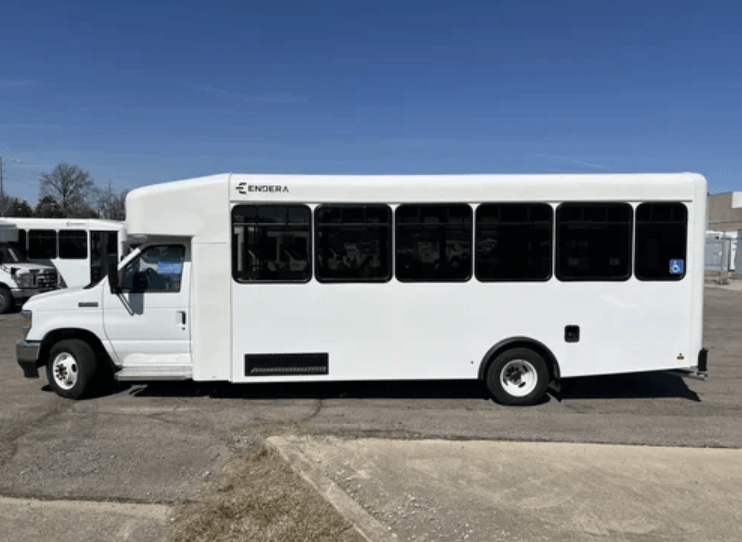
Silent Rides, Big Impact: The Rise Of The Electric Shuttle Bus
Urban transportation is undergoing a remarkable transformation as cities look for cleaner, quieter, and more efficient ways to move people. Among these innovations, the electric shuttle bus has emerged as a sustainable alternative to conventional diesel-powered vehicles, combining environmental responsibility with advanced technology. These vehicles offer significant benefits for municipalities, corporate campuses, and tourist hubs by reducing noise pollution and carbon emissions while enhancing passenger comfort. Understanding the rise of shuttle buses highlights how modern transport solutions are reshaping public transit and setting new standards for sustainable urban mobility. With features such as regenerative braking, smart route management, and energy-efficient designs, electric shuttle buses are proving to be both cost-effective and technologically advanced for long-term urban planning.
Contents
Environmental Advantages of Electric Shuttle Buses
One of the primary reasons cities are investing in electric shuttle buses is their potential to reduce greenhouse gas emissions. Traditional shuttle systems often rely on diesel engines, contributing to air pollution and climate change. Transitioning to an electric shuttle bus fleet minimizes harmful emissions, improving urban air quality and aligning with global sustainability targets. Additionally, these buses consume less energy per mile, making them an eco-friendly solution for high-traffic areas and corporate campuses aiming to meet sustainability goals without compromising operational efficiency.
Cost Efficiency and Long-Term Savings
While the initial investment in an electric shuttle bus may be higher than conventional vehicles, the long-term operational savings are substantial. Electricity is generally cheaper than diesel fuel, and maintenance costs for electric drivetrains are lower because they have fewer moving parts. Cities and organizations that adopt shuttle buses benefit from reduced fuel expenditures and minimized downtime. Over time, these cost advantages make electric shuttles a practical solution for both public and private transportation systems while promoting cleaner, more efficient mobility.
Enhancing Passenger Experience
Another compelling factor driving the adoption of such buses is the improved passenger experience. Unlike conventional buses, electric shuttles operate quietly, significantly reducing noise pollution in urban environments and residential areas. Passengers enjoy smoother rides with less vibration, contributing to comfort and satisfaction. Many modern electric shuttle buses also feature advanced amenities such as air conditioning, USB charging ports, and real-time information systems, providing an elevated commuting experience that encourages more people to choose public transit over private vehicles.
Technological Innovations Driving Adoption
Advancements in battery technology, regenerative braking, and vehicle-to-grid integration are accelerating the deployment of electric shuttle buses worldwide. Enhanced battery capacities extend travel ranges, while faster charging solutions allow for more flexible scheduling in high-demand areas. Smart energy management systems also optimize route efficiency, ensuring that fleets operate reliably even during peak hours. These technological improvements not only make electric shuttles practical for city-wide deployment but also demonstrate the potential for future innovations in sustainable transportation.
Challenges and Solutions in Implementation
Despite their many advantages, the widespread adoption of electric shuttle buses faces challenges, including infrastructure requirements and initial capital costs. Charging stations need to be strategically placed to support continuous operations, and fleet managers must plan routes carefully to account for energy consumption. Governments and private operators are addressing these issues through subsidies, grants, and public-private partnerships, making it easier to implement buses in diverse settings. These solutions ensure that the transition to electric mobility is both feasible and beneficial for long-term urban planning.
Conclusion
The rise of electric shuttle buses is reshaping urban transportation by offering quieter, cleaner, and more efficient travel options. Their environmental benefits, cost efficiency, and enhanced passenger experience make them a compelling choice for municipalities, corporate campuses, and tourist destinations alike. As adoption accelerates, collaboration with professional shuttle bus manufacturers ensures access to the latest technology, reliable vehicle performance, and comprehensive support for fleet deployment, making the future of urban mobility both sustainable and innovative.
