





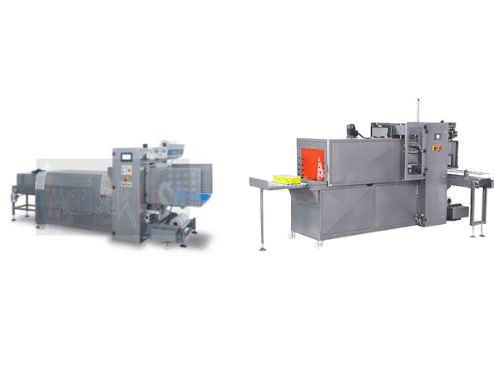
Shrink Wrap Packaging Machines: Solving Product Transit Loss
Product damage during transportation remains a major cost driver across manufacturing, logistics, and retail supply chains. From crushed cartons to moisture exposure and pilferage, these losses quietly erode margins and customer trust. Modern packaging engineering now focuses on containment, stability, and load integrity rather than basic wrapping alone. At the center of this shift is the shrink wrap packaging machine, designed to secure products tightly for long-distance movement. By applying controlled heat to shrink film, it creates uniform tension around goods. This approach reduces movement, resists external impact, and protects surfaces, making transit outcomes more predictable and measurable for businesses.
Contents
Understanding Product Transit Loss and Its Causes
Transit loss occurs when products are damaged, tampered with, or rendered unsellable while moving through the supply chain. Common causes include vibration during transport, uneven stacking, sudden braking, humidity exposure, and handling errors at distribution hubs. Even minor movement within cartons can weaken packaging over time, leading to breakage or scuffing. As shipment volumes increase and delivery timelines tighten, these risks multiply. Addressing transit loss therefore requires packaging solutions that go beyond surface-level protection and instead stabilize products at the unit and pallet level.
How Shrink Wrap Packaging Machines Improve Load Stability
Load stability is one of the most critical factors in preventing transit damage. A properly configured shrink wrap packaging machine applies film evenly around individual products or entire pallet loads, eliminating gaps and internal movement. This tight containment keeps items aligned during vibration, cornering, and stacking. Unlike manual wrapping, machine-applied shrink film delivers consistent tension on every load, ensuring predictable performance across shipments. Over time, this uniformity significantly reduces incidents of collapsed pallets, torn cartons, and product displacement during long-haul transportation.
Protection Against Environmental and Handling Risks
Transit environments are rarely controlled, exposing goods to dust, moisture, and temperature fluctuations. Shrink wrapping creates a sealed outer layer that acts as a barrier against these elements while also discouraging tampering. In high-touch logistics networks, products are often transferred between vehicles, warehouses, and sorting facilities. When secured using a shrink wrap packaging machine, products are easier to handle with forklifts and pallet jacks, reducing the likelihood of drops or abrasions. This added protection is especially valuable for electronics, FMCG goods, and industrial components with sensitive surfaces.
Operational Efficiency and Cost Reduction Benefits
Beyond damage prevention, shrink wrapping contributes directly to operational efficiency. Automated machines reduce dependency on manual labor, shorten packaging cycles, and minimize film wastage through precise application. Consistently wrapped loads also improve space utilization within trucks and containers, allowing more products to be shipped per trip. While the initial investment may seem significant, businesses often recover costs quickly through reduced claims, fewer returns, and lower rework expenses. The long-term financial impact of fewer transit losses often outweighs the upfront equipment expenditure.
Industry Applications and Scalability
Shrink wrap technology is widely adopted across industries because it scales easily with production volume. Manufacturers use it for unit-level packaging, distributors rely on it for pallet stabilization, and exporters depend on it for long-distance shipping reliability. Whether integrated into a high-speed production line or used as a standalone system in a warehouse, these machines adapt to different product sizes and shapes. This flexibility makes them suitable for businesses looking to grow without frequently redesigning their packaging processes.
Conclusion
Reducing product transit loss requires a strategic approach to packaging that prioritizes stability, protection, and consistency. When products are securely contained, the entire supply chain benefits from smoother handling, fewer disruptions, and improved customer satisfaction. In this context, automated solutions play a vital role, with wrapping machines enabling businesses to safeguard goods while improving efficiency. By investing in the right packaging technology, companies can transform transit from a risk-heavy stage into a controlled, reliable extension of their operations.
