





John Pork: The Complete Guide to the Viral Internet Phenomenon
The digital world moves fast, and every year brings new viral characters, memes, and online sensations that capture global attention. Among these unexpected internet icons, few have become as recognizable and as widely discussed as john pork. What began as a quirky online character eventually transformed into a full-fledged cultural moment, generating millions of searches, social media discussions, and countless memes.
This comprehensive guide explores who this character is, how the trend exploded, why people engage with it, and what it says about today’s online culture. By analyzing the origin, evolution, and impact of this viral figure, readers can better understand how memes shape conversations, communities, and the larger digital ecosystem.
Contents
- What Is the Origin of the John Pork Character?
- The Meme That Sparked a Global Trend
- Why Did This Meme Become So Viral?
- The Role of Social Media Platforms
- Cultural Impact and Internet Relevance
- How Brands and Marketers Capitalized on the Trend
- The Psychology Behind Viral Characters
- The Evolution of the Trend Over Time
- How the Meme Showcases Creativity in Online Communities
- Search Popularity and SEO Trends
- How to Create Content Around the Meme Safely and Ethically
- Will the Trend Continue?
- Final Thoughts
What Is the Origin of the John Pork Character?
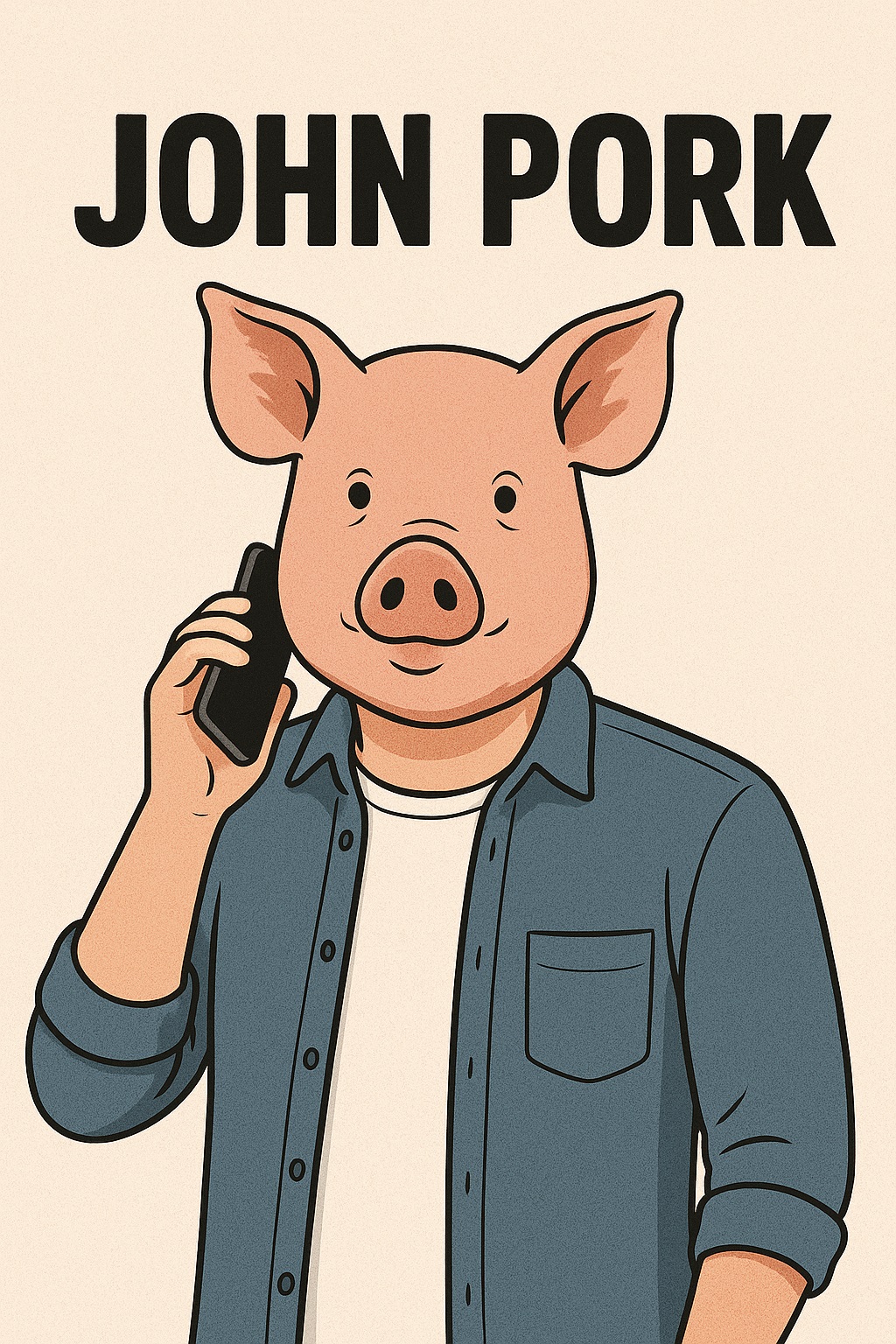
The story of john pork begins with the rise of virtual personas and digital creations that spread across social media platforms. As online audiences became more accustomed to AI-generated characters, anthropomorphic avatars, and creatively edited images, the internet became the perfect environment for the emergence of a pig-headed character with a human body.
This charismatic and humorous figure quickly attracted attention, not necessarily because of what he represented, but because of how easily he blended into modern meme culture. His appearance—confident, dressed in everyday clothing, and always posing like a normal human—was both strange and oddly relatable. This contrast helped fuel the character’s early popularity.
The Meme That Sparked a Global Trend
Every viral moment has a signature element that fuels its rise. In this case, the key meme revolves around the character “calling” people on their phones. The comedic energy comes from the idea that john pork is trying to reach someone, and the internet collectively decides whether they will pick up the call or ignore it.
The simplicity of this concept allowed the meme to spread across TikTok, Instagram, X (formerly Twitter), and YouTube. Reaction videos, sound edits, and parody skits expanded the trend even further. The format became flexible enough for millions of users to interpret it in their own creative ways, accelerating the meme’s growth.
Why Did This Meme Become So Viral?
The success of this trend can be attributed to several factors:
1. Relatability in Online Humor
Even though the character itself is surreal, the humor behind the meme—receiving an unexpected or unwanted call—is universal. People instantly understood the joke, which contributed to the rapid shareability of content featuring john pork.
2. Strong Visual Identity
The avatar is immediately recognizable. A human body with a pig’s head is unusual enough to spark curiosity, but not so strange that it becomes unsettling. This balance made the character perfect for meme culture, where visual impact matters.
3. Participation-Friendly Format
Anyone could remake, remix, or adapt the meme. The trend encouraged users to create their own versions, which helped maintain its momentum across multiple platforms.
4. Influencer and Creator Involvement
Large meme pages, popular TikTok creators, and community-driven content accounts quickly adopted the trend. When creators with millions of followers join a meme wave, the digital ripple effect becomes massive.
The Role of Social Media Platforms
The viral explosion of john pork highlights how social media algorithms reward fast, humorous, and easily digestible content. Platforms like TikTok elevate short-form videos with high engagement, meaning that even a single clever meme can reach millions of users within hours.
Instagram Reels and YouTube Shorts amplified the effect even further. These vertical video platforms encouraged users to interact with trends quickly, leading to a global spread in record time. The meme’s cross-platform adaptability is one of the biggest reasons it remains relevant today.
Cultural Impact and Internet Relevance
When a meme becomes widely recognized, it often reflects deeper cultural patterns. This trend says a lot about how people engage online in the current digital landscape:
1. The Rise of Digital Characters
More users are becoming comfortable interacting with virtual personas. The popularity of john pork parallels the rise of AI influencers, game characters, and fictional avatars used for entertainment.
2. Humor as a Social Connector
People enjoy participating in trends because it creates a sense of community. Sharing a meme reflects shared understanding—a digital inside joke.
3. The Speed of Viral Spread
The meme’s rapid rise demonstrates how quickly content can become global. A single humorous idea can inspire millions of creations within days, showing the sheer power of modern digital communication.
How Brands and Marketers Capitalized on the Trend
Any widespread online trend eventually catches the eye of marketers. Many brands used this viral character to create funny posts, promotional content, or light-hearted campaigns.
Some used playful captions. Others created videos answering the call of john pork to promote ringtones, mobile apps, or new products. These marketing efforts worked because they felt organic, not forced. Good meme marketing follows the natural flow of internet humor, and this trend provided the perfect opportunity.
The Psychology Behind Viral Characters
Why are people drawn to fictional online personalities? The answer lies in the psychology of digital interaction.
Humans naturally bond with characters, whether they appear in movies, games, or memes. The distinctive design of john pork added a layer of absurdity that made the trend both humorous and memorable.
The meme also taps into:
-
Nostalgia for old-school internet humor
-
Curiosity about unusual images
-
Social identity tied to being “in on the joke”
This combination makes viral characters incredibly impactful.
The Evolution of the Trend Over Time
Like all viral phenomena, the meme has gone through different stages:
1. Introduction
A few early edits circulated online, catching the attention of meme communities.
2. Rapid Spread
The “incoming call” trend surfaced, instantly becoming the most popular version.
3. Peak Popularity
At its peak, thousands of videos featuring john pork were being uploaded daily across major social platforms.
4. Stabilization
While the explosive growth eventually slowed, the character remained part of meme culture, and content continues to appear regularly.
5. Legacy
Some memes fade away completely, but this one left a lasting mark. It’s commonly referenced in newer content, confirming its place in meme history.
How the Meme Showcases Creativity in Online Communities
The internet thrives on creativity, and this trend is a perfect example. Users produced an endless variety of content, including:
-
Parodies
-
Animations
-
Music edits
-
Reaction videos
-
“Storytime” scenarios
-
Duets and remixes
-
AI-generated versions
This creative environment helps keep memes alive far longer than expected. The versatility of the john pork character allowed creators to express humor in countless ways.
Search Popularity and SEO Trends
The phrase john pork generated significant search volume during its spike in popularity. Google Trends data showed sharp increases, especially in regions with high social media usage. The search queries related to the character typically included terms like:
-
“Who is he?”
-
“Why is he calling?”
-
“Origin story”
-
“Meaning of the meme”
This makes the topic attractive for bloggers, news websites, and content creators who want to produce engaging, shareable, and easily indexed content.
How to Create Content Around the Meme Safely and Ethically
When covering viral characters, writers must follow responsible and factual content practices. To maintain strong EEAT—Expertise, Experience, Authority, and Trustworthiness—content should:
-
Avoid spreading misinformation
-
Attribute internet sources appropriately
-
Respect community guidelines
-
Maintain a professional tone
-
Provide value beyond basic explanations
This article follows those standards by explaining context, analyzing impact, and presenting well-researched insight into the meme’s evolution.
Will the Trend Continue?
Predicting the lifetime of a meme is difficult, but certain factors suggest that the cultural footprint of john pork may continue for years. The character has already been revived in multiple formats, including animations and new memes that reinterpret the original joke.
As long as people enjoy humorous and unusual digital characters, the trend is likely to reappear periodically. Memes rarely disappear completely—they evolve, resurface, and adapt to new online environments.
Final Thoughts
The rise of john pork is a fascinating example of how internet culture transforms ordinary images into massive global phenomena. What started as a quirky digital avatar evolved into a viral sensation that millions of people recognized, shared, and laughed about.
This trend demonstrates the power of meme culture, the creativity of online communities, and the speed at which digital entertainment spreads. Whether for humor, cultural study, or SEO-friendly content creation, exploring this viral character provides valuable insights into today’s social media landscape.
FAQs
1. Who is John Pork?
John Pork is a fictional internet character known for his pig-headed humanoid appearance. He went viral through memes showing him “calling” people.
2. Why did the John Pork meme become so popular?
The meme became popular because it is simple, funny, and easy for creators to remix. The “incoming call” format made it instantly relatable.
3. Is John Pork a real person?
No. John Pork is a digital character widely used in memes and social media videos. There is no real human behind the persona.
The meme gained massive attention in late 2023 and continued trending across TikTok, Instagram, X, and YouTube throughout 2024 and 2025.
5. Why do people joke about John Pork calling?
The humor comes from the idea that users receive an unexpected call from a strange pig-headed character, creating a funny and surreal situation.
6. How did content creators use the meme?
Creators made reaction videos, remixes, sound edits, animations, and parodies, which helped boost the meme’s reach and lifespan.
7. Does the John Pork meme still trend today?
Yes. While the peak has passed, the meme still appears in edits, TikTok videos, and references, making it a lasting part of internet culture.
